Certificate ISO Materials Non-Metallic Materials

ISO 11357 — Plastics Differential Scanning Calorimetry

ISO Certification Programme

6 Subjects
30 Chapters
180 Lessons
430 Marks

LAPT — London Academy of Professional Training
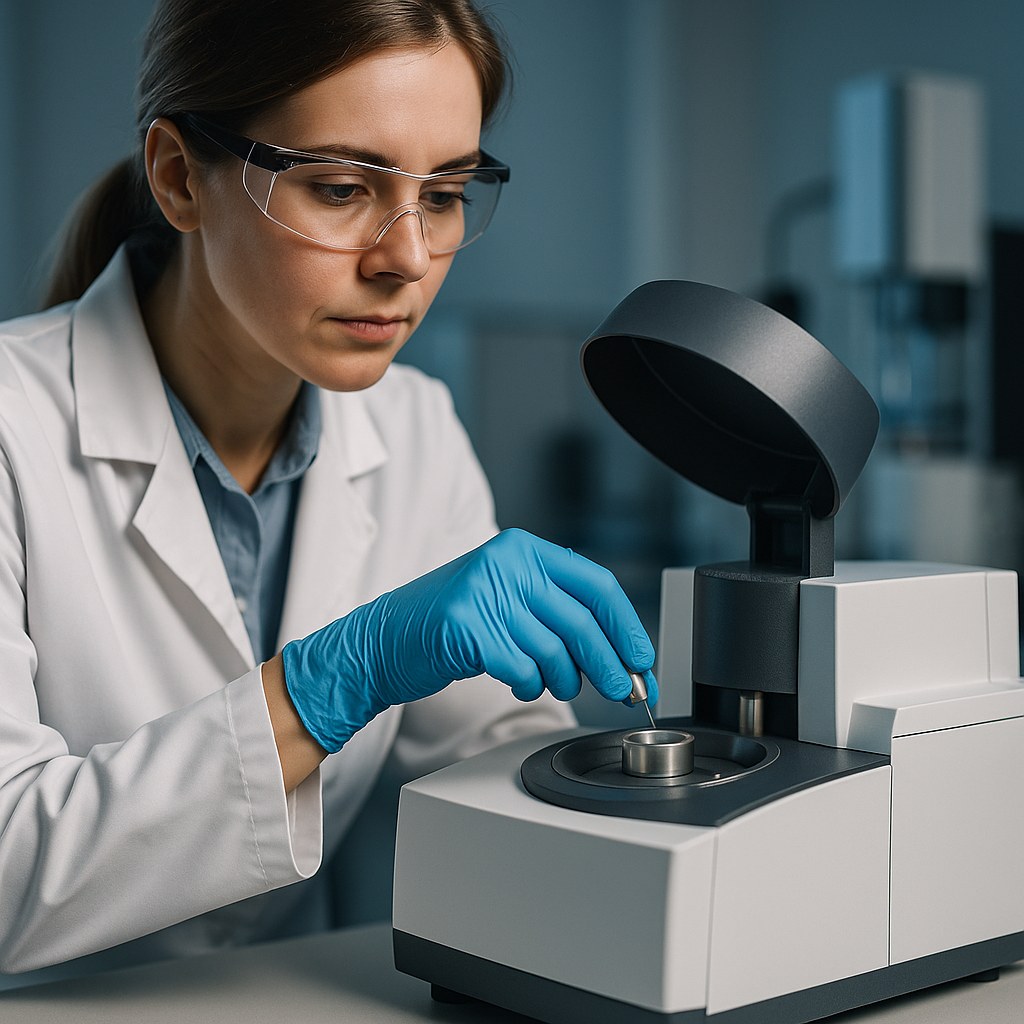
ISO 11357 — Plastics Differential Scanning Calorimetry
Enrol Now
Total Marks430
Subjects6
Chapters30
Classes180

About This Certification

A professional certification programme delivered through LAPT-accredited centres worldwide.

Course Curriculum

6 subjects • 30 chapters • 180 classes
01
Advanced Thermal Analysis Techniques
5 chapters • 65 marks • 30h
1 Fundamentals of Differential Scanning Calorimetry (DSC) in Plastics Analysis 6 classes
1.1 Explain the Principles of Differential Scanning Calorimetry in Plastics
1.2 Identify Key Components and Equipment Used in DSC
1.3 Analyze the Thermal Properties of Plastics with DSC Techniques
1.4 Evaluate Thermal Transition Processes in Plastics via DSC
1.5 Interpret DSC Curves and Data for Plastics Characterization
1.6 Apply DSC Results to Optimize Plastic Material Selection
2 Thermal Properties of Non-Metallic Materials 6 classes
2.1 Analyze the Fundamentals of Thermal Properties in Non-Metallic Materials
2.2 Explore Differential Scanning Calorimetry Fundamentals
2.3 Examine the Role of Heat Capacity in Non-Metallic Materials
2.4 Evaluate Glass Transition and Melting Temperature Determination
2.5 Investigate Practical Applications of Thermal Analysis Techniques
2.6 Apply ISO 11357 Standards in Evaluating Thermal Properties
3 Instrumentation and Calibration of DSC Equipment 6 classes
3.1 Identify Key Components of DSC Equipment
3.2 Explain the Principles of Differential Scanning Calorimetry
3.3 Outline Standard Calibration Procedures for DSC
3.4 Demonstrate Equipment Setup for Accurate Measurements
3.5 Analyze Calibration Results and Adjust Parameters
3.6 Evaluate Real-World Applications of DSC Calibration
4 Data Interpretation and Thermal Analysis Results 6 classes
4.1 Analyze Differential Scanning Calorimetry (DSC) Curves
4.2 Interpret Phase Transition Data from Thermal Analysis
4.3 Evaluate Glass Transition Temperature (Tg) Results
4.4 Assess Melting and Crystallization Points in Materials
4.5 Correlate Thermal Properties with Materials Performance
4.6 Apply Statistical Methods to Thermal Analysis Results
5 Applications of DSC in Quality Control and Materials Development 6 classes
5.1 Explore the Fundamentals of Differential Scanning Calorimetry (DSC)
5.2 Identify Key Parameters Measured by DSC in Quality Control
5.3 Analyze Thermal Properties of Materials Using DSC Techniques
5.4 Examine the Role of DSC in Identifying Material Composition
5.5 Implement DSC Methods for Quality Assurance in Plastics
5.6 Apply DSC Data to Optimize Material Development Processes
02
Data Interpretation and Statistical Analysis
5 chapters • 65 marks • 30h
1 Fundamentals of Data Interpretation in Differential Scanning Calorimetry 6 classes
1.1 Define Key Terminology in Differential Scanning Calorimetry
1.2 Explain the Principle of Differential Scanning Calorimetry
1.3 Identify Common Data Outputs from DSC Experiments
1.4 Interpret Basic Thermograms and Their Significance
1.5 Analyze Case Studies Using DSC Data Interpretation
1.6 Apply Statistical Methods to Evaluate DSC Results
2 Understanding Thermal Profiles and Their Statistical Significance 6 classes
2.1 Analyze Thermal Profiles Using Differential Scanning Calorimetry
2.2 Interpret Data Outputs from Thermal Analysis Techniques
2.3 Identify Key Thermal Transitions in Materials
2.4 Assess Statistical Techniques for Analyzing Thermal Data
2.5 Apply Statistical Significance to Thermal Profile Comparisons
2.6 Evaluate Real-World Applications of Thermal Profile Analysis
3 Data Visualization Techniques for DSC Results 6 classes
3.1 Analyze DSC Data for Thermal Events Interpretation
3.2 Construct Graphs to Visualize DSC Output Trends
3.3 Utilize Color-Coding to Differentiate DSC Data Sets
3.4 Implement Histograms for Frequency Distribution of DSC Results
3.5 Interpret Statistical Graphs to Assess DSC Result Significance
3.6 Synthesize Visualizations to Present Comprehensive DSC Findings
4 Advanced Statistical Methods for Data Analysis in DSC 6 classes
4.1 Define and Explain Differential Scanning Calorimetry (DSC) Principles
4.2 Identify Key Statistical Methods Used in DSC Data Analysis
4.3 Apply Descriptive Statistics to Interpret DSC Data Sets
4.4 Utilize Inferential Statistics for Hypothesis Testing in DSC
4.5 Analyze and Interpret Complex Data Patterns in DSC Outputs
4.6 Develop a Comprehensive Data Analysis Report from DSC Findings
5 Interpreting Variability and Uncertainty in DSC Measurements 6 classes
5.1 Define Variability in DSC Measurements
5.2 Identify Sources of Uncertainty in Thermal Analysis
5.3 Analyze Statistical Distributions of DSC Data
5.4 Calculate Mean and Standard Deviation in DSC Results
5.5 Interpret Confidence Intervals in Thermal Measurement
5.6 Apply Statistical Methods to Validate DSC Findings
03
Fundamentals of Differential Scanning Calorimetry
5 chapters • 85 marks • 40h
1 Introduction to Differential Scanning Calorimetry and Its Applications in Plastics 6 classes
1.1 Understand the Principles of Differential Scanning Calorimetry
1.2 Identify the Key Components of a DSC Instrument
1.3 Explore the Thermodynamic Concepts Relevant to DSC
1.4 Analyze Temperature-Related Properties of Plastics Using DSC
1.5 Compare DSC with Other Thermal Analysis Techniques
1.6 Apply DSC Results to Predict Plastic Behavior in Real-World Applications
2 Understanding the Thermal Properties of Polymers 6 classes
2.1 Define Key Thermal Properties of Polymers
2.2 Explain the Principles of Differential Scanning Calorimetry
2.3 Analyze the Measurement Process in DSC
2.4 Identify Common Applications of DSC in Polymer Analysis
2.5 Interpret DSC Graphs and Data for Polymer Evaluation
2.6 Evaluate the Impact of Thermal Properties on Polymer Selection
3 Instrumentation and Operation of DSC Instruments 6 classes
3.1 Identify Key Components of DSC Instruments
3.2 Explain the Functionality of Thermal Sensors in DSC
3.3 Describe Calibration Procedures for DSC Instruments
3.4 Outline the Steps for Sample Preparation in DSC Analysis
3.5 Demonstrate the Operating Principles of DSC Measurement
3.6 Analyze Data Output from DSC Experiments
4 Data Analysis and Interpretation in Differential Scanning Calorimetry 6 classes
4.1 Identify Key DSC Data Types and Their Significance
4.2 Analyze DSC Thermograms for Thermal Events
4.3 Interpret Enthalpy and Heat Capacity Changes in DSC Results
4.4 Compare Differential Scanning Calorimetry Results Across Materials
4.5 Apply Statistical Methods to Enhance Data Analysis in DSC
4.6 Evaluate Practical Applications of DSC Data in Material Selection
5 Applications of DSC in Material Development and Quality Control 6 classes
5.1 Explore the Fundamentals of Differential Scanning Calorimetry
5.2 Identify Key Applications of DSC in Material Development
5.3 Analyze the Role of DSC in Quality Control Processes
5.4 Compare DSC with Other Thermal Analysis Techniques
5.5 Evaluate Material Properties Using DSC Data
5.6 Implement Best Practices for DSC in Laboratory Settings
04
Leadership and Team Management in Materials Science
5 chapters • 45 marks • 20h
1 Foundational Principles of Leadership in Materials Science 6 classes
1.1 Define Leadership in the Context of Materials Science
1.2 Identify Key Leadership Theories Relevant to Team Management
1.3 Analyze the Roles of a Leader in a Materials Science Team
1.4 Explore Effective Communication Strategies for Leaders
1.5 Evaluate Team Dynamics and Leadership Styles in Materials Projects
1.6 Implement Leadership Strategies to Enhance Team Performance in Calorimetry
2 Effective Communication and Team Dynamics in Scientific Environments 6 classes
2.1 Foster Active Listening Skills in Team Meetings
2.2 Develop Clear Communication Strategies for Scientific Concepts
2.3 Build Trust and Respect within Diverse Teams
2.4 Facilitate Dynamic Team Discussions to Enhance Collaboration
2.5 Implement Conflict Resolution Techniques in Scientific Settings
2.6 Evaluate Team Performance through Effective Feedback Mechanisms
3 Decision-Making Strategies for Materials Science Leaders 6 classes
3.1 Identify Key Decision-Making Frameworks in Materials Science
3.2 Analyze the Impact of Data-Driven Decisions on Project Outcomes
3.3 Evaluate Leadership Styles and Their Effectiveness in Team Decision-Making
3.4 Implement Collaborative Techniques for Enhanced Team Problem-Solving
3.5 Utilize Scenario Planning to Anticipate Challenges in Materials Innovation
3.6 Develop Action Plans for Effective Decision-Making in Material Selection Processes
4 Conflict Resolution and Management Techniques in Technical Teams 6 classes
4.1 Identify Common Sources of Conflict in Technical Teams
4.2 Analyze the Impact of Conflict on Team Dynamics
4.3 Explore Effective Communication Strategies for Conflict Resolution
4.4 Apply Problem-Solving Techniques to Resolve Team Conflicts
4.5 Develop a Conflict Resolution Action Plan for Technical Scenarios
4.6 Assess the Outcomes of Conflict Resolution Strategies in Team Management
5 Leading Change: Innovation and Adaptation in Materials Science 6 classes
5.1 Identify Key Drivers of Change in Materials Science
5.2 Analyze Case Studies of Successful Innovation in Plastics
5.3 Develop Strategies for Overcoming Resistance to Change
5.4 Implement Effective Communication Techniques for Team Buy-in
5.5 Evaluate the Role of Leadership in Fostering a Culture of Adaptation
5.6 Create an Action Plan for Leading Change in Your Organization
05
Practical Applications of DSC in the Industry
5 chapters • 85 marks • 20h
1 Fundamentals of Differential Scanning Calorimetry (DSC) Principles 6 classes
1.1 Explain the Basic Principles of Differential Scanning Calorimetry
1.2 Identify the Key Components of DSC Equipment
1.3 Describe the Thermal Characteristics Measured by DSC
1.4 Analyze Thermal Transition Events in Materials Using DSC
1.5 Compare DSC with Other Thermal Analysis Techniques
1.6 Apply DSC Data to Real-World Industry Scenarios
2 Instrumentation and Calibration for Accurate DSC Measurement 6 classes
2.1 Understand the Principles of Differential Scanning Calorimetry (DSC)
2.2 Identify Key Components of DSC Instruments
2.3 Explore Calibration Techniques for Accurate DSC Measurements
2.4 Analyze Factors Affecting DSC Instrument Performance
2.5 Implement Standard Operating Procedures for DSC Calibration
2.6 Assess Calibration Results and Troubleshoot DSC Instrument Issues
3 Thermal Properties of Polymers and Their Relevance in DSC 6 classes
3.1 Identify Key Thermal Properties of Polymers in DSC
3.2 Explain the Principles of Differential Scanning Calorimetry
3.3 Analyze the Effect of Temperature on Polymer Behavior
3.4 Demonstrate the Role of DSC in Material Characterization
3.5 Evaluate the Impact of Additives on Polymer Thermal Properties
3.6 Apply DSC Data to Optimize Polymer Processing Techniques
4 Interpreting DSC Data: Analysis and Reporting Techniques 6 classes
4.1 Understand Key Parameters in DSC Data
4.2 Analyze Heating and Cooling Curves in DSC
4.3 Identify Thermal Transitions and Their Significance
4.4 Evaluate DSC Graphs for Material Characterization
4.5 Correlate DSC Results with Material Properties
4.6 Report Findings and Interpret Results for Stakeholders
5 Case Studies: Practical Applications of DSC in Material Development 6 classes
5.1 Analyze Case Studies of DSC Applications in Plastics
5.2 Evaluate the Impact of DSC on Material Selection
5.3 Demonstrate DSC Techniques for Thermal Characterization
5.4 Compare DSC Results Across Different Material Formulations
5.5 Explore Industry-Specific Applications of DSC in Product Development
5.6 Present Findings from DSC Case Studies to Drive Innovation
06
Research and Development in Non-Metallic Materials
5 chapters • 85 marks • 20h
1 Introduction to Non-Metallic Materials and Their Properties 6 classes
1.1 Explore the Key Characteristics of Non-Metallic Materials
1.2 Identify Types of Non-Metallic Materials Used in Industry
1.3 Analyze the Mechanical Properties of Non-Metallic Materials
1.4 Investigate Thermal Properties and Their Measurement Techniques
1.5 Examine the Applications of Non-Metallic Materials in Engineering
1.6 Apply Knowledge of Non-Metallic Materials to Real-World Scenarios
2 Principles of Differential Scanning Calorimetry (DSC) 6 classes
2.1 Define and Explain Differential Scanning Calorimetry (DSC)
2.2 Describe the Key Components of a DSC Instrument
2.3 Illustrate the Basic Principles of Thermal Analysis in DSC
2.4 Analyze Thermograms and Identify Key Thermal Events
2.5 Compare DSC with Other Thermal Analysis Techniques
2.6 Apply DSC Techniques to Characterize Non-Metallic Materials
3 Analyzing Thermal Data: Techniques and Applications 6 classes
3.1 Identify Key Concepts of Differential Scanning Calorimetry
3.2 Describe the Equipment and Setup for Thermal Analysis
3.3 Analyze Basic Thermal Data Outputs from DSC Experiments
3.4 Interpret the Significance of Thermal Transition Points
3.5 Compare Thermal Properties of Different Non-Metallic Materials
3.6 Apply Thermal Analysis Results to Material Selection Criteria
4 Material Selection for R&D Projects Using DSC Insights 6 classes
4.1 Identify Key Metrics from DSC Data for Material Selection
4.2 Analyze Thermal Properties of Non-Metallic Materials Using DSC
4.3 Compare the Thermal Behavior of Selected Polymers Through DSC
4.4 Evaluate Material Compatibility for R&D Projects Using DSC Findings
4.5 Develop a Material Selection Criteria Based on DSC Analysis
4.6 Apply DSC Insights to Real-World R&D Project Scenarios
5 Case Studies: Innovations Driven by DSC in Non-Metallic Material R&D 6 classes
5.1 Analyze Key Innovations in DSC Applications for Non-Metallic Materials
5.2 Evaluate Case Studies Highlighting DSC-Driven Material Enhancements
5.3 Identify Challenges Faced During DSC Implementation in R&D
5.4 Explore Success Stories of DSC in Polymer Development
5.5 Apply DSC Techniques to Improve Material Properties in Case Studies
5.6 Discuss Future Trends in Non-Metallic Material R&D Using DSC Insights
ISO 11357 — Plastics Differential Scanning Calorimetry
Enrol Now

Enrol through an accredited centre

This certification is delivered by LAPT-accredited centres worldwide. Get certified with full study materials, LMS access and a recognised credential.

Find a centre

Chat with us