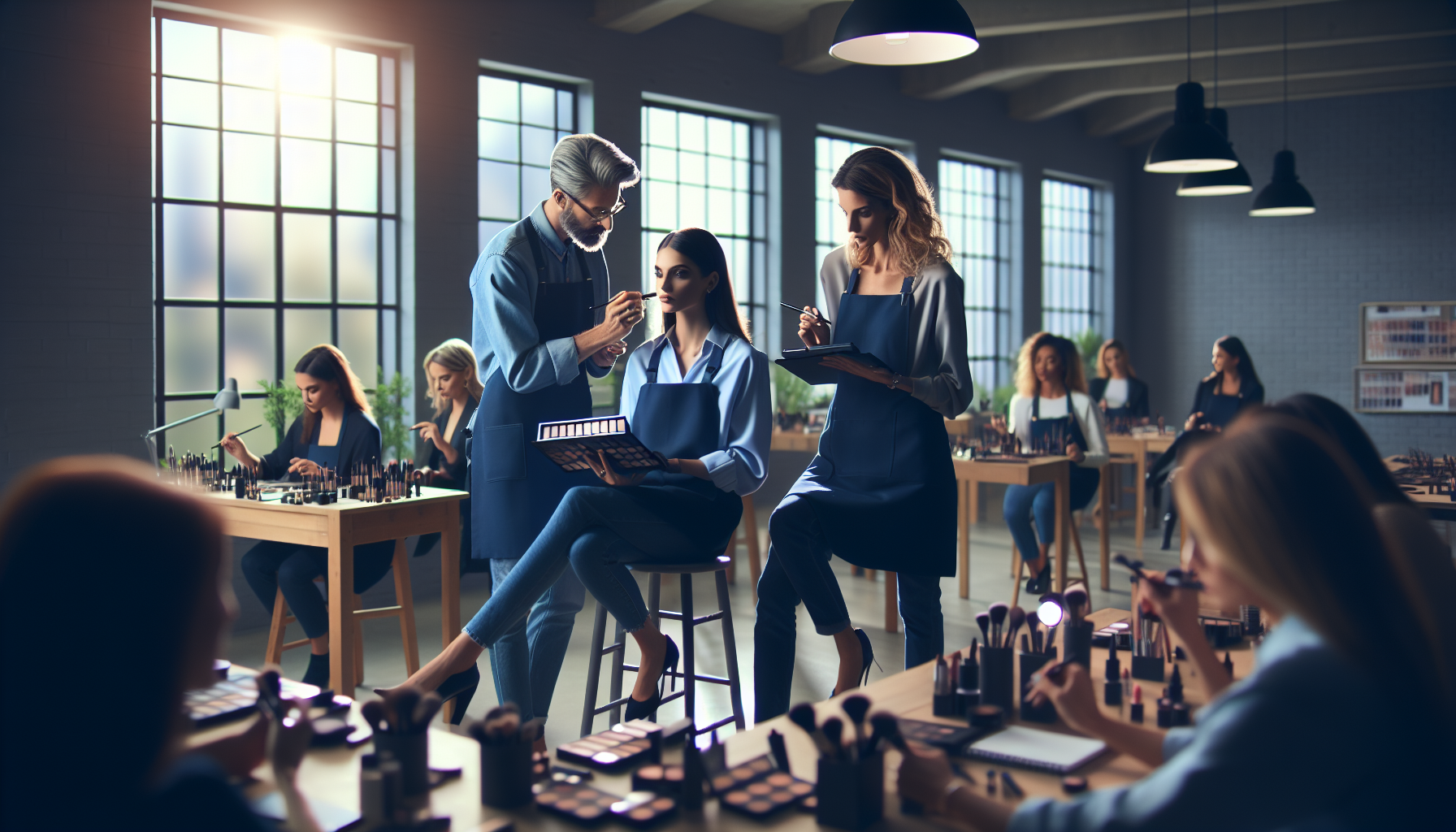
Media, Photographic and Fashion Makeup
20 chapters
▶
1
Understanding Photographic and Editorial Makeup Contexts
6 classes
1.1 Exploring the Role of Makeup in Photography
1.2 Analyzing Different Styles in Editorial Makeup
1.3 Understanding Lighting and Its Impact on Makeup
1.4 Identifying Key Trends in Media Makeup
1.5 Techniques for Flawless Photographic Makeup
1.6 Adapting Makeup for Various Media Formats
▶
2
Techniques for Lighting and Camera Adaptation
6 classes
2.1 Understanding Light Sources in Photography and Media Makeup
2.2 Exploring Camera Settings for Makeup Clarity
2.3 Analyzing the Impact of Natural vs Artificial Lighting on Makeup
2.4 Adapting Makeup Techniques for Various Lighting Conditions
2.5 Mastering Makeup Application for High-Definition Photography
2.6 Evaluating Makeup Outcomes Through Camera Lenses
▶
3
Product Selection and Application for Media
6 classes
3.1 Understanding Media Makeup Requirements
3.2 Identifying Key Products for Different Media
3.3 Evaluating Makeup Product Formulas
3.4 Selecting Products for Specific Media Outcomes
3.5 Applying Techniques for Photographic Makeup
3.6 Customizing Application for Editorial and Media
▶
4
Creating Dynamic Looks for Editorial Shoots
6 classes
4.1 Understanding Editorial Makeup Aesthetics
4.2 Analyzing Contemporary Editorial Trends
4.3 Selecting and Applying Suitable Makeup Products
4.4 Creating Dynamic Color Palettes for Editorial Impact
4.5 Mastering Techniques for Professional Photo-Ready Looks
4.6 Adapting Editorial Makeup for Diverse Media Settings
▶
5
Collaboration and Communication in Media Makeup Teams
6 classes
5.1 Understanding Media Makeup Team Roles
5.2 Exploring Communication Strategies with Creative Directors
5.3 Engaging Effectively with Photographers and Stylists
5.4 Negotiating and Interpreting Creative Briefs
5.5 Applying Feedback for Makeup Adjustments
5.6 Collaborating in Real-Time on Set
▶
1
Understanding High-Fashion Makeup Trends
6 classes
1.1 Identifying Key High-Fashion Makeup Trends
1.2 Analyzing Seasonal Influences on Makeup Styles
1.3 Exploring Iconic Makeup Looks from Fashion Runways
1.4 Interpreting Makeup Trends for Diverse Skin Tones
1.5 Adapting High-Fashion Trends to Client Needs
1.6 Experimenting with Trend-Driven Makeup Techniques
▶
2
Color Theory and Application in Fashion Makeup
6 classes
2.1 Understanding the Color Wheel in Makeup
2.2 Analyzing Color Harmonies for Fashion Designs
2.3 Identifying Undertones and Their Influence
2.4 Blending Techniques for Vibrant Fashion Looks
2.5 Strategizing Color Application for High-Impact Styles
2.6 Experimenting with Creative Color Palettes
▶
3
Techniques for Catwalk and Editorial Makeup
6 classes
3.1 Understanding the Essentials of Catwalk Makeup
3.2 Analyzing Iconic High-Fashion Looks
3.3 Mastering Colour Theory for Editorial Impact
3.4 Techniques for Flawless Skin Finishes
3.5 Crafting Bold Eye Makeup for the Runway
3.6 Executing Timeless Red Carpet Lip Styles
▶
4
Incorporating Texture and Materials in Makeup
6 classes
4.1 Exploring the Role of Texture in High-Fashion Makeup
4.2 Identifying Materials for Texture Enhancement
4.3 Techniques for Creating Textured Effects
4.4 Combining Textures with Color and Light
4.5 Analyzing High-Fashion Makeup Looks Featuring Texture
4.6 Developing a Textured Makeup Portfolio Piece
▶
5
Concept Development and Execution
6 classes
5.1 Understanding Fashion Trends and Inspiration Sources
5.2 Analyzing Iconic High-Fashion Makeup Looks
5.3 Developing a Personalized Mood Board for Makeup Design
5.4 Translating Conceptual Ideas into Makeup Blueprints
5.5 Executing a High-Fashion Makeup Look from a Concept
5.6 Refining and Evaluating Makeup Designs for Runway Readiness
▶
1
Exploring Historical Contexts in Media Makeup
6 classes
1.1 Understanding the Role of History in Media Makeup
1.2 Analyzing Iconic Makeup Trends Through the Decades
1.3 Exploring Cultural Influences on Historical Makeup Styles
1.4 Identifying Materials and Techniques from Past Eras
1.5 Recreating a Historical Look: Practical Application
1.6 Evaluating the Evolution of Makeup in Media and Film
▶
2
Advanced Techniques in Character Design
6 classes
2.1 Exploring the Foundations of Character Design
2.2 Analyzing Iconic Makeup Transformations
2.3 Mastering Color Theory for Character Makeup
2.4 Designing Characters with Prosthetic Techniques
2.5 Applying Advanced Airbrush Techniques
2.6 Evaluating Final Character Designs in Practice
▶
3
SFX Makeup: Creating Illusions and Reality
6 classes
3.1 Understanding SFX Makeup and Its Impact
3.2 Analyzing the Principles of Illusion in Makeup
3.3 Exploring Tools and Materials for SFX Makeup
3.4 Mastering Techniques for Creating Realistic Effects
3.5 Developing Skills for Seamless Illusion Integration
3.6 Evaluating and Adjusting SFX Makeup for Realism
▶
4
Cinematic and High-Definition Makeup Applications
6 classes
4.1 Understanding Cinematic and HD Makeup Foundations
4.2 Exploring the Impact of Lighting on Makeup Design
4.3 Analyzing Skin Types for High-Definition Makeup
4.4 Techniques for Seamless Makeup Application
4.5 Achieving Long-Lasting Makeup for Extended Shoots
4.6 Evaluating Cinematic Makeup in Different Film Genres
▶
5
Leadership and Innovation in Media Makeup Industry
6 classes
5.1 Understanding Leadership Styles in Media Makeup
5.2 Analyzing Innovation Trends in the Makeup Industry
5.3 Developing Effective Team Leadership in Makeup Projects
5.4 Fostering Creativity and Innovation in Makeup Design
5.5 Implementing Change Management in Makeup Teams
5.6 Evaluating Leadership Impact on Creative Makeup Outcomes
▶
1
Understanding Photography Makeup Techniques
6 classes
1.1 Exploring the Principles of Photographic Makeup
1.2 Analyzing Skin Tones and Textures for Photography
1.3 Choosing and Applying Foundation for Camera Effects
1.4 Enhancing Features: Highlighting and Contouring Techniques
1.5 Utilizing Colour Theory in Makeup for Photographic Harmony
1.6 Creating High-Impact Eyes and Lips for the Camera
▶
2
Color Theory and Its Impact on Photography Makeup
6 classes
2.1 Exploring the Basics of Color Theory in Makeup
2.2 Understanding Color Harmony and Its Application in Photography
2.3 Analyzing the Impact of Lighting on Makeup Colors in Photography
2.4 Using Complementary Colors to Enhance Facial Features
2.5 Creating Mood with Color: Emotional Impact in Photography Makeup
2.6 Applying Color Correction Techniques for Photographic Makeup
▶
3
Designing Makeup for Various Photography Styles
6 classes
3.1 Understanding Photography Styles and Their Makeup Requirements
3.2 Analyzing Light and Color in Photography Makeup
3.3 Designing Makeup for Portrait Photography
3.4 Creating Makeup Looks for Fashion Photography
3.5 Tailoring Makeup Techniques for Black and White Photography
3.6 Applying Final Touches for Different Photography Outputs
▶
4
Tools and Products for Photographic Makeup Artistry
6 classes
4.1 Exploring Essential Tools for Makeup Artistry
4.2 Identifying Key Products for Different Skin Types
4.3 Understanding Color Theory in Photography Makeup
4.4 Comparing Makeup Product Formulations
4.5 Evaluating Brand-Specific Tools and Their Uses
4.6 Applying Product Knowledge in Real-World Scenarios
▶
5
Problem-Solving in Photography Makeup
6 classes
5.1 Understanding Common Challenges in Photography Makeup
5.2 Analyzing Makeup Techniques for Different Lighting Conditions
5.3 Mastering Color Correction and Balance in Photographic Makeup
5.4 Adapting Makeup Styles for Diverse Photographic Genres
5.5 Troubleshooting Unexpected Issues During Photo Shoots
5.6 Implementing Reflective Practices to Enhance Problem-Solving Skills
Special Effects and Prosthetic Makeup
16 chapters
▶
1
History and Evolution of Special Effects Makeup
6 classes
1.1 Exploring the Origins of Special Effects Makeup
1.2 Analyzing the Influence of Early Cinematic Makeup Artists
1.3 Examining Major Technological Advancements in Makeup
1.4 Understanding the Transition from Practical to Digital Effects
1.5 Investigating Iconic Special Effects Makeup Designs
1.6 Applying Historical Techniques to Modern Makeup Practices
▶
2
Understanding Tools and Materials for Special Effects
6 classes
2.1 Identifying Essential Tools for Special Effects Makeup
2.2 Understanding Types and Uses of Makeup Brushes
2.3 Exploring Adhesives and Their Applications
2.4 Mastering the Art of Prosthetics: Choosing the Right Materials
2.5 Selecting and Mixing Pigments for Realistic Effects
2.6 Maintaining and Storing Special Effects Tools and Materials
▶
3
Techniques for Creating Realistic Injuries and Illusions
6 classes
3.1 Understanding the Anatomy of Bruises and Cuts
3.2 Applying Techniques for Creating Realistic Bruises
3.3 Mastering the Art of Fake Cuts and Lacerations
3.4 Exploring Burn Effects and Skin Textures
3.5 Sculpting Swelling and Inflammation Illusions
3.6 Integrating Injuries into Character Makeup Designs
▶
4
Advanced Prosthetic Application and Design
6 classes
4.1 Understanding Advanced Prosthetic Materials
4.2 Mastering the Art of Sculpting Prosthetic Pieces
4.3 Techniques for Seamless Prosthetic Application
4.4 Achieving Realism in Prosthetic Textures and Finishes
4.5 Designing Complex Prosthetic Effects for Characters
4.6 Troubleshooting and Refining Prosthetic Applications
▶
5
Theatrical Character and Creature Building
6 classes
5.1 Understanding Character Archetypes in Theatre Makeup
5.2 Analyzing Creature Design for Stage Performances
5.3 Exploring Materials and Tools for Theatrical Makeup
5.4 Techniques for Sculpting and Shaping Prosthetics
5.5 Applying Textures and Colors for Realistic Effects
5.6 Finalizing and Evaluating Theatrical Makeup Projects
▶
1
Fundamentals of SFX Makeup Techniques
6 classes
1.1 Understanding the Basics of SFX Makeup
1.2 Exploring Materials and Tools for Prosthetics
1.3 Learning to Sculpt and Mold Prosthetic Pieces
1.4 Mastering Skin Texture Techniques and Blending
1.5 Applying Color Theory to Enhance SFX Makeup
1.6 Executing SFX Makeup Looks with Realism
▶
2
Advanced Prosthetic Application
6 classes
2.1 Understanding Advanced Prosthetic Materials
2.2 Mastering Life Casting Techniques
2.3 Creating Detailed Prosthetic Moulds
2.4 Applying Multi-piece Prosthetics Seamlessly
2.5 Enhancing Realism with Advanced Paint and Finish Techniques
2.6 Troubleshooting and Perfecting Prosthetic Applications
▶
3
Creating Realistic Injuries and Gore
6 classes
3.1 Understanding the Basics of Injury Simulation
3.2 Selecting Materials for Realistic Wounds
3.3 Sculpting and Texturing Skin for Injury Effects
3.4 Applying Blood and Bruise Effects for Authenticity
3.5 Creating Prosthetic Pieces for Complex Injuries
3.6 Finalizing and Setting Injury Makeup for Performance
▶
4
Fantasy and Creature Design
6 classes
4.1 Understanding Fantasy and Creature Anatomy
4.2 Mapping Design Inspirations for Realistic Creations
4.3 Sculpting Techniques for Character Prosthetics
4.4 Applying Textures and Colors to Enhance Features
4.5 Integrating Movable Elements into Creature Designs
4.6 Finalizing and Critiquing Fantasy Creature Makeup
▶
5
Project Management and Leadership in SFX Makeup
6 classes
5.1 Understanding the Role of Project Management in SFX Makeup
5.2 Identifying Key Responsibilities of an SFX Makeup Leader
5.3 Developing Effective Communication Skills for SFX Teams
5.4 Planning and Scheduling SFX Makeup Projects Efficiently
5.5 Managing Resources and Budget in SFX Makeup Projects
5.6 Evaluating and Reflecting on Leadership Practices in SFX
▶
11
Character Research and Design Briefs
10 classes
11.1 Reading a Script for Make-Up Needs
11.2 Breaking Down Characters and Scenes
11.3 Collecting Reference Images and Mood Boards
11.4 Period and Historical Appearance Research
11.5 Designing a Face Chart
11.6 Agreeing Designs With Directors and Designers
11.7 Budgeting Materials for a Production
11.8 Sourcing Suppliers and Samples
11.9 Design Approval and Sign-Off Records
11.10 Character Design Presentation
▶
12
Health, Safety and Allergy Testing for Special Effects
10 classes
12.1 Hazards of Adhesives, Solvents and Latex
12.2 Patch Testing Effects Materials
12.3 Latex Allergy and Safe Alternatives
12.4 Ventilation and Safe Use of Sprays
12.5 Protecting Eyes, Ears and Airways
12.6 Performer Consent and Comfort Checks
12.7 Skin Barrier Protection Before Application
12.8 Safe Removal and Skin Aftercare
12.9 Sharps, Props and Fire Safety on Set
12.10 Risk Assessment for an Effects Job
▶
13
Bald Caps, Wigs and Facial Hair for Performers
10 classes
13.1 Measuring a Performer's Head
13.2 Applying and Blending a Bald Cap
13.3 Colouring and Detailing a Bald Cap
13.4 Wig Preparation and Wig Cap Fitting
13.5 Securing and Blending a Lace Front
13.6 Laying Crepe Hair Beards
13.7 Applying Ready-Made Moustaches
13.8 Hairline Blending and Concealing Joins
13.9 Removing Hair Pieces Safely
13.10 Wig and Facial Hair Practical Assessment
▶
14
Making and Applying Small Prosthetic Pieces
10 classes
14.1 Prosthetic Materials Overview
14.2 Sculpting a Small Piece in Clay
14.3 Making a Simple Mould
14.4 Casting Gelatine and Silicone Pieces
14.5 Preparing and Trimming a Prosthetic
14.6 Adhesives for Different Skin Areas
14.7 Applying and Edge Blending a Piece
14.8 Painting Prosthetics to Match Skin
14.9 Sealing, Powdering and Finishing
14.10 Small Prosthetic Practical Assessment
▶
15
Wounds, Ageing and Illness Effects
10 classes
15.1 Layering Skin Tone for Realistic Wounds
15.2 Bruises Through Their Healing Stages
15.3 Cuts, Grazes and Burns With Wax
15.4 Scars and Stitches With Scar Material
15.5 Blood Types and Safe Stage Blood
15.6 Ageing Effects With Stipple and Latex
15.7 Sunken Eyes and Illness Pallor
15.8 Sweat, Tears and Water Effects
15.9 Creating Effects That Hold Under Cameras
15.10 Effects Looks Practical Assessment
▶
16
Continuity, Removal and Production Workflow
10 classes
16.1 Why Continuity Matters on Set
16.2 Photographing and Charting Each Look
16.3 Maintaining Looks Between Takes
16.4 Working Around Costume and Hair Teams
16.5 Call Sheets and Early Start Times
16.6 Touching Up During Long Shooting Days
16.7 Removing Prosthetics Without Skin Damage
16.8 Cleaning, Storing and Reusing Appliances
16.9 Working Respectfully With Cast and Crew
16.10 Production Day Simulation Assessment
Bridal Hairstyling and Saree Draping
12 chapters
▶
1
Bridal Consultation and Hair Assessment
10 classes
1.1 Understanding the Bridal Hairstyling Role
1.2 Consultation Questions for Brides
1.3 Assessing Hair Type, Length and Density
1.4 Scalp and Hair Condition Checks
1.5 Contra-Indications and Allergy Questions
1.6 Matching Styles to Face Shape and Outfit
1.7 Reading Reference Images Realistically
1.8 Agreeing the Look and Timeline
1.9 Recording Consent and Client Details
1.10 Consultation Role Play Assessment
▶
2
Tools, Products and Hygiene for Hair Styling
10 classes
2.1 Combs, Brushes and Pins Overview
2.2 Blow Dryers and Diffusers Safely
2.3 Curling Tongs and Straighteners Safely
2.4 Hot Tool Temperature Control
2.5 Styling Products for Hold and Shine
2.6 Pins, Grips, Bands and Hairnets
2.7 Cleaning and Disinfecting Styling Tools
2.8 Draping and Protecting the Client
2.9 Setting Up a Station at a Venue
2.10 Tool Safety and Setup Practical
▶
3
Shampooing, Prepping and Blow Drying Bridal Hair
10 classes
3.1 Preparing the Client for Shampooing
3.2 Shampooing and Conditioning Techniques
3.3 Scalp Massage During Washing
3.4 Towel Drying and Detangling Safely
3.5 Heat Protection Before Styling
3.6 Sectioning Hair for Blow Drying
3.7 Smooth Blow Dry With a Round Brush
3.8 Adding Volume at the Roots
3.9 Prep Differences for Fine and Thick Hair
3.10 Blow Dry Practical Assessment
▶
4
Curls, Waves and Setting Techniques
10 classes
4.1 Principles of Setting and Curl Formation
4.2 Hot Roller Setting for Lasting Curls
4.3 Barrel Curls With Tongs
4.4 Soft Beach Waves
4.5 Pin Curls and Finger Waves
4.6 Straightening for Sleek Looks
4.7 Brushing Out Curls Into Waves
4.8 Making Curls Last in Heat and Humidity
4.9 Finishing Sprays and Shine Products
4.10 Curl and Wave Practical Assessment
▶
5
Backcombing, Volume and Structured Bases
10 classes
5.1 Purpose of Backcombing and Padding
5.2 Backcombing Without Damaging Hair
5.3 Teasing Crown Volume
5.4 Using Hair Pads and Donuts
5.5 Building a Smooth Bouffant
5.6 Secure Pinning for Structure
5.7 Anchoring Styles Against Movement
5.8 Brushing Out Backcombing Safely
5.9 Correcting Lumps and Gaps
5.10 Volume and Structure Practical
▶
6
Classic and Traditional Bridal Buns
10 classes
6.1 Choosing Between Low, High and Side Buns
6.2 Preparing Hair for a Smooth Bun
6.3 Classic Low Chignon
6.4 High Top Bun for Formal Wear
6.5 Side Bun With Curls
6.6 Braided Bun Variations
6.7 Securing Buns With Pins Invisibly
6.8 Adding Hair Accessories to Buns
6.9 Fixing Flyaways and Final Finish
6.10 Bridal Bun Practical Assessment
▶
7
Braids, Twists and Plaits for Wedding Styles
10 classes
7.1 Basic Three Strand Plait
7.2 French and Dutch Braids
7.3 Fishtail Braid Step by Step
7.4 Rope Twist and Halo Braid
7.5 Side Braids With Loose Texture
7.6 Traditional Long Plait With Flowers
7.7 Pancaking Braids for Fullness
7.8 Braiding Fine and Slippery Hair
7.9 Braids Combined With Buns
7.10 Braiding Practical Assessment
▶
8
Updos, Half-Up Styles and Loose Looks
10 classes
8.1 Planning an Updo Step by Step
8.2 Classic French Twist
8.3 Half-Up Half-Down With Volume
8.4 Sleek Ponytail Looks
8.5 Loose Romantic Updo
8.6 Styling Short and Bob Hair
8.7 Updos for Veils and Headpieces
8.8 Adapting Styles for Hijab and Head Coverings
8.9 Matching Hair to Neckline and Jewellery
8.10 Updo Practical Assessment
▶
9
Hair Extensions, Pieces and Accessories
10 classes
9.1 Types of Temporary Hair Additions
9.2 Selecting Colour and Length to Match
9.3 Clip-In Extension Placement
9.4 Ponytail and Bun Hair Pieces
9.5 Fitting Hair Pieces Securely
9.6 Flowers, Veils and Tiaras in Hair
9.7 Safe Pinning of Heavy Accessories
9.8 Removing Additions Without Damage
9.9 Cleaning and Storing Hair Pieces
9.10 Extensions and Accessories Practical
▶
10
Saree Draping Fundamentals
10 classes
10.1 Parts of a Saree and Fabric Types
10.2 Measuring and Choosing the Right Saree
10.3 Petticoat, Blouse and Pleat Foundations
10.4 Tying the Petticoat Waist Securely
10.5 Making Even Front Pleats
10.6 Wrapping and Tucking the Body Wrap
10.7 Draping the Pallu Over the Shoulder
10.8 Pinning Points for a Neat Finish
10.9 Adjusting for Different Body Shapes
10.10 Basic Saree Draping Practical
▶
11
Regional and Bridal Saree Draping Styles
10 classes
11.1 Nivi Drape for Weddings
11.2 Gujarati Seedha Pallu Style
11.3 Bengali Style Draping
11.4 Maharashtrian Nauvari Style
11.5 South Indian Bridal Silk Drape
11.6 Lehenga Style Pre-Stitched Drape
11.7 Draping Heavy Silk and Embroidered Sarees
11.8 Draping Sheer Fabrics Modestly
11.9 Safety Pins, Hooks and Fabric Care
11.10 Regional Draping Practical Assessment
▶
12
Wedding Day Management and Client Aftercare
10 classes
12.1 Building a Wedding Morning Schedule
12.2 Styling Multiple Family Members Efficiently
12.3 Coordinating With Make-Up and Photography Teams
12.4 Restyling Between Ceremonies
12.5 Emergency Fixes for Pins and Fabric
12.6 Pricing and Booking Bridal Packages
12.7 Insurance, Contracts and Cancellation Terms
12.8 Aftercare and Hair Removal Advice
12.9 Portfolio Photos and Client Reviews
12.10 Complete Bridal Look Final Assessment
Beauty Entrepreneurship, Branding and Portfolio
43 chapters
▶
1
Global Beauty Market Dynamics and Trends
6 classes
1.1 Explore Global Market Trends in Aesthetics
1.2 Analyze Key Drivers of the Beauty Industry
1.3 Understand Consumer Behavior in Global Markets
1.4 Examine the Impact of Cultural Differences on Beauty Markets
1.5 Evaluate Regulatory and Policy Considerations in Beauty Markets
1.6 Develop Strategic Approaches for Global Market Entry
▶
2
Competitive Analysis in Aesthetics Industry
6 classes
2.1 Understanding the Aesthetics Industry Landscape
2.2 Identifying Key Competitors in the Aesthetics Market
2.3 Analyzing Competitor Strengths and Weaknesses
2.4 Evaluating Market Positioning and Brand Strategies
2.5 Assessing Technological Advancements and Innovations
2.6 Formulating Competitive Strategies for Market Advantage
▶
3
Cultural Influences on Aesthetic Practices
6 classes
3.1 Understand the Evolution of Aesthetic Practices Across Cultures
3.2 Analyze Regional Differences in Beauty Standards
3.3 Examine the Role of Tradition in Contemporary Aesthetic Choices
3.4 Assess the Impact of Cultural Perceptions on Market Demand
3.5 Evaluate Influences of Globalization on Local Aesthetic Preferences
3.6 Develop Strategy for Culturally Sensitive Market Expansion
▶
4
Regulatory Landscape and Compliance
6 classes
4.1 Understanding Regulatory Frameworks in Aesthetic Markets
4.2 Identifying Key Regulatory Bodies and Their Roles
4.3 Analyzing Compliance Requirements Across Regions
4.4 Exploring the Impact of Global Policies on Business Practices
4.5 Implementing Compliance Strategies for Business Success
4.6 Evaluating Risks and Opportunities in Regulatory Compliance
▶
5
Strategic Planning for Global Market Entry
6 classes
5.1 Understanding Global Market Dynamics
5.2 Identifying Target Markets and Customer Segments
5.3 Analyzing Competitive Landscapes in Global Contexts
5.4 Developing Entry Strategies for International Markets
5.5 Implementing Risk Assessment for Global Expansion
5.6 Evaluating Success and Adapting Strategies
▶
1
Understanding the Basics of Marketing in Men's Grooming
6 classes
1.1 Explore Key Marketing Principles in Men's Grooming
1.2 Identify Target Markets and Customer Profiles
1.3 Develop a Unique Brand Identity for Grooming Services
1.4 Craft Effective Marketing Messages for Men's Grooming
1.5 Analyze Competitor Strategies in the Grooming Industry
1.6 Implement Digital Marketing Tactics for Grooming Businesses
▶
2
Target Market Identification and Persona Development
6 classes
2.1 Explore the Concepts of Target Market in Men's Grooming
2.2 Analyze Demographic and Psychographic Segments
2.3 Identify Market Trends and Consumer Needs
2.4 Develop Detailed Customer Personas for Men's Grooming
2.5 Illustrate Persona Examples with Case Studies
2.6 Apply Persona Insights to Marketing Strategies
▶
3
Creating a Unique Brand Identity in Barbering
6 classes
3.1 Understanding Brand Identity in Barbering
3.2 Analyzing Successful Barbering Brands
3.3 Defining Your Barbering Brand Values
3.4 Crafting a Unique Brand Story
3.5 Designing Visual Elements for Your Brand
3.6 Implementing Brand Identity in Client Experience
▶
4
Digital Marketing Strategies for Men’s Grooming Services
6 classes
4.1 Understanding Digital Marketing for Men’s Grooming
4.2 Identifying Target Audiences in Men’s Grooming
4.3 Crafting a Unique Brand Voice in the Digital Space
4.4 Utilizing Social Media to Enhance Visibility
4.5 Creating Engaging Content for Digital Platforms
4.6 Analyzing Digital Marketing Metrics for Growth
▶
5
Advanced Customer Relationship Management and Retention Strategies
6 classes
5.1 Understanding Advanced CRM Concepts
5.2 Exploring Customer Journey Mapping
5.3 Implementing Data-Driven Retention Strategies
5.4 Developing Personalized Customer Experiences
5.5 Enhancing Customer Loyalty Through Engagement
5.6 Measuring and Analyzing CRM Effectiveness
▶
1
Understanding the Role of Portfolios in Beauty Therapy
6 classes
1.1 Exploring Portfolios: An Introduction to Their Importance in Beauty Therapy
1.2 Analyzing Portfolio Components: Structure and Essential Inclusions
1.3 Developing a Professional Portfolio: Best Practices and Tips
1.4 Bridging Skills with Portfolios: Demonstrating Competency in Beauty Therapy
1.5 Reflecting on Practice: Using Portfolios for Self-Improvement
1.6 Tailoring Portfolios: Customizing for Different Beauty Therapy Roles
▶
2
Creating a Professional Portfolio: Design and Content
6 classes
2.1 Understanding the Importance of a Professional Portfolio
2.2 Identifying Key Components of a Holistic Beauty Portfolio
2.3 Structuring Your Portfolio for Maximum Impact
2.4 Choosing and Showcasing Your Best Work
2.5 Incorporating Reflective Practice into Portfolio Design
2.6 Finalizing and Presenting a Professional Portfolio
▶
3
Documenting Holistic Beauty Treatments: Best Practices
6 classes
3.1 Understanding the Importance of Documentation in Holistic Beauty
3.2 Identifying Key Components of Treatment Documentation
3.3 Exploring Different Methods for Capturing Client Data
3.4 Implementing Effective Record-Keeping Techniques
3.5 Analyzing Case Studies of Holistic Treatment Documentation
3.6 Reflecting on Personal Documentation Practices and Improvement
▶
4
Reflective Practice: Techniques for Continuous Improvement
6 classes
4.1 Understanding Reflective Practice in Beauty Therapy
4.2 Exploring Self-Assessment Techniques for Practitioners
4.3 Implementing Journaling for Professional Growth
4.4 Analyzing Case Studies for Reflective Learning
4.5 Applying Feedback for Continuous Improvement
4.6 Developing a Personal Reflective Practice Plan
▶
5
Integrating Portfolio and Reflection for Professional Growth
6 classes
5.1 Understanding Portfolios and Reflective Practice
5.2 Exploring the Components of a Professional Portfolio
5.3 Developing Skills for Effective Reflection
5.4 Integrating Reflection into Portfolio Development
5.5 Applying Reflective Practice for Personal Growth
5.6 Evaluating Portfolios for Continuous Professional Improvement
▶
1
1. Personal Branding and Professional Identity for Makeup Artists
4 classes
1.1 Defining Your Brand Identity and Market Position
1.2 Visual Identity and Digital Brand Presence
1.3 Social Media Strategy and Professional Ethics
1.4 Personal Branding Assignment
▶
2
2. Portfolio Creation and Creative Direction for Professional Practice
4 classes
2.1 Portfolio Strategy and Creative Direction Foundations
2.2 Photography Basics and Image Selection for Makeup Artists
2.3 Digital Portfolio Development and Test Shoot Collaboration
2.4 Portfolio Practical Assessment
▶
3
3. Business Development and Freelance Practice Management
4 classes
3.1 Business Planning and Financial Foundations for Freelancers
3.2 Marketing, Networking, and Industry Relationship Building
3.3 Goal Setting, KPIs, and Professional Growth Planning
3.4 Business Development Case Study Assessment
▶
1
Chapter 1 — Creating the Perfect Base
4 classes
1.1 Understanding Skin Types and Conditions
1.2 Selecting and Applying the Right Primer
1.3 Mastering Foundation Application Techniques
1.4 Perfecting Concealer for a Flawless Finish
▶
2
Chapter 2 — Enhancing Features for Various Occasions
4 classes
2.1 Identifying Facial Features for Customized Makeup
2.2 Selecting Appropriate Colors for Different Skin Tones
2.3 Applying Makeup Techniques for Daytime Events
2.4 Crafting Evening Looks with Emphasis on Key Features
▶
3
Chapter 3 — Assembling a Professional Makeup Portfolio
4 classes
3.1 Understanding the Importance of a Makeup Portfolio
3.2 Selecting the Right Work for Your Makeup Portfolio
3.3 Photographing and Presenting Makeup Work Effectively
3.4 Crafting a Compelling Personal Narrative for Your Portfolio
▶
1
Understanding Professional Ethics in Makeup Artistry
5 classes
1.1 Defining Ethics in Makeup Artistry
1.2 Identifying Key Ethical Principles
1.3 Analyzing Real-World Ethical Dilemmas
1.4 Applying Ethical Decision-Making Strategies
1.5 Developing a Personal Code of Ethics
▶
2
Effective Communication and Client Interaction
5 classes
2.1 Understanding the Basics of Effective Communication
2.2 Mastering Active Listening Techniques
2.3 Developing Professional Client Interaction Skills
2.4 Navigating Difficult Conversations with Clients
2.5 Applying Communication Strategies in Real-Life Scenarios
▶
3
Building a Professional Profile and Portfolio
5 classes
3.1 Understanding the Components of a Professional Makeup Portfolio
3.2 Crafting a Compelling Personal Brand in Makeup Artistry
3.3 Selecting and Showcasing Your Best Work
3.4 Developing an Online Presence and Social Media Strategy
3.5 Networking with Industry Professionals and Building Client Relationships
▶
4
Navigating Career Opportunities in Makeup Artistry
5 classes
4.1 Understanding the Landscape of Makeup Artistry Careers
4.2 Identifying Key Skills for Makeup Artistry Success
4.3 Exploring Diverse Career Paths in Makeup Artistry
4.4 Building a Professional Portfolio and Network
4.5 Strategizing for Career Advancement in Makeup Artistry
▶
1
Understanding Portfolio Purpose and Audience
6 classes
1.1 Defining the Role of a Makeup Portfolio
1.2 Identifying Your Portfolio Audience
1.3 Researching Audience Expectations and Trends
1.4 Crafting a Cohesive Portfolio Narrative
1.5 Selecting Work Samples to Match Your Narrative
1.6 Tailoring Your Portfolio for Different Audiences
▶
2
Curating and Showcasing Bridal Makeup Styles
6 classes
2.1 Understanding Bridal Aesthetics in Different Cultures
2.2 Selecting Appropriate Color Palettes for Bridal Looks
2.3 Applying Advanced Techniques for Timeless Bridal Makeup
2.4 Crafting Personalized Bridal Styles for Diverse Clients
2.5 Capturing Makeup Details for Portfolio Presentation
2.6 Creating a Compelling Narrative for Bridal Makeup Portfolios
▶
3
Highlighting High-Fashion Makeup Techniques
6 classes
3.1 Understanding High-Fashion Makeup Trends
3.2 Analyzing High-Fashion Makeup Inspirations
3.3 Mastering Contouring Techniques for High-Fashion
3.4 Creating Bold and Artistic Eye Makeup
3.5 Experimenting with Avant-Garde Lip Designs
3.6 Integrating Techniques into a Personal Portfolio
▶
4
Photography and Presentation Skills for Makeup Portfolios
6 classes
4.1 Understanding the Role of Photography in Makeup Portfolios
4.2 Exploring Lighting Techniques for Effective Makeup Photography
4.3 Mastering Camera Angles to Highlight Makeup Details
4.4 Composing Visually Appealing Portfolio Shots
4.5 Editing Photos to Enhance Makeup Features
4.6 Curating and Presenting a Professional Makeup Portfolio
▶
5
Personal Branding and Online Portfolio Development
6 classes
5.1 Understanding Personal Branding in Makeup Artistry
5.2 Crafting Your Unique Brand Identity
5.3 Designing an Engaging Online Portfolio
5.4 Selecting and Showcasing Your Best Work
5.5 Optimizing Your Portfolio for Search and Accessibility
5.6 Promoting Your Brand and Engaging with Your Audience
▶
1
Understanding Portfolio Objectives and Audience
6 classes
1.1 Identifying Portfolio Purpose and Goals
1.2 Understanding Your Target Audience's Needs
1.3 Analyzing Industry Standards for Portfolio Presentation
1.4 Aligning Creative Direction with Portfolio Objectives
1.5 Tailoring Content to Meet Audience Expectations
1.6 Evaluating Portfolio Effectiveness and Impact
▶
2
Structuring a Cohesive Portfolio Narrative
6 classes
2.1 Understanding the Role of Narrative in Portfolio Design
2.2 Identifying Key Themes and Storylines for Your Portfolio
2.3 Curating Strategic Portfolio Content for Impact
2.4 Crafting a Compelling Narrative Flow
2.5 Enhancing Visual Consistency and Cohesion
2.6 Tailoring Presentation for Diverse Audiences
▶
3
Showcasing Technique and Versatility
6 classes
3.1 Understanding the Importance of Showcasing Makeup Techniques
3.2 Analyzing Your Makeup Portfolio: Identifying Key Styles
3.3 Crafting a Narrative for Your Makeup Looks
3.4 Demonstrating Technical Versatility Beyond the Basics
3.5 Utilizing Multimedia to Enhance Your Makeup Portfolio
3.6 Presenting Your Makeup Portfolio with Confidence
▶
4
Enhancing Portfolio Presentation with Digital Tools
6 classes
4.1 Understanding Digital Portfolios: A Primer on Essential Tools
4.2 Designing a Cohesive Visual Narrative: Implementing Branding Elements
4.3 Crafting Engaging Multimedia Content: Incorporating Video and Animation
4.4 Optimizing Portfolio Layout: Enhancing User Experience and Accessibility
4.5 Leveraging Social Media Integrations: Expanding Your Reach
4.6 Presenting with Impact: Techniques for Online and In-person Showcases
▶
5
Critique and Refinement for Portfolio Excellence
6 classes
5.1 Understanding Feedback: Importance and Implementation
5.2 Analyzing Portfolio Elements: Identifying Strengths and Weaknesses
5.3 Applying Constructive Criticism: Enhancing Portfolio Quality
5.4 Refining Visual Impact: Techniques for Portfolio Improvement
5.5 Tailoring Content for Your Audience: Customizing Portfolio Elements
5.6 Practicing Presentation Skills: Engaging and Persuading
▶
1
Chapter 1 — Foundations of Manicure Portfolio Creation
4 classes
1.1 Exploring the Essentials of Manicure Portfolio Creation
1.2 Identifying Key Components for a Compelling Portfolio
1.3 Showcasing Individual Style with Creative Nail Art
1.4 Organizing and Presenting Your Manicure Portfolio
▶
2
Chapter 2 — Showcasing Nail Art Techniques
4 classes
2.1 Exploring Popular Nail Art Techniques
2.2 Mastering Brushwork for Intricate Designs
2.3 Creating Stunning Gradient Effects
2.4 Designing Complex Patterns with Stencils
▶
3
Chapter 3 — Personal Branding and Digital Presentation
4 classes
3.1 Understanding Personal Branding in the Beauty Industry
3.2 Crafting Your Unique Nail Art Narrative
3.3 Designing a Professional Online Portfolio for Nail Artists
3.4 Enhancing Visibility Through Social Media and Digital Networks
▶
1
1. Introduction to Client Consultation
3 classes
1.1 Understanding the Client
1.2 Building Effective Communication
1.3 Client Consultation Quiz
▶
2
2. Mapping Client Projects
3 classes
2.1 Introduction to Project Planning
2.2 Customization and Resource Allocation
2.3 Project Mapping Assignment
▶
3
3. Budgeting for Beauty Projects
3 classes
3.1 Creating a Beauty Project Budget
3.2 Financial Monitoring Techniques
3.3 Budgeting Assignment
▶
4
4. Executing Client Projects
3 classes
4.1 Executing Beauty Projects
4.2 Time Management Workshop
4.3 Project Execution Practical
▶
5
5. Reviewing and Refining Client Projects
3 classes
5.1 Evaluating Completed Projects
5.2 Process Improvement Strategies
5.3 Client Project Case Study