Master Certificate Level 6-7 Leadership Travel & Tourism Industry Cruise Line & Maritime Tourism

Master Certificate in Cruise Line Management

Leadership Level

6 Subjects
30 Chapters
180 Lessons
500 Marks

LAPT — London Academy of Professional Training
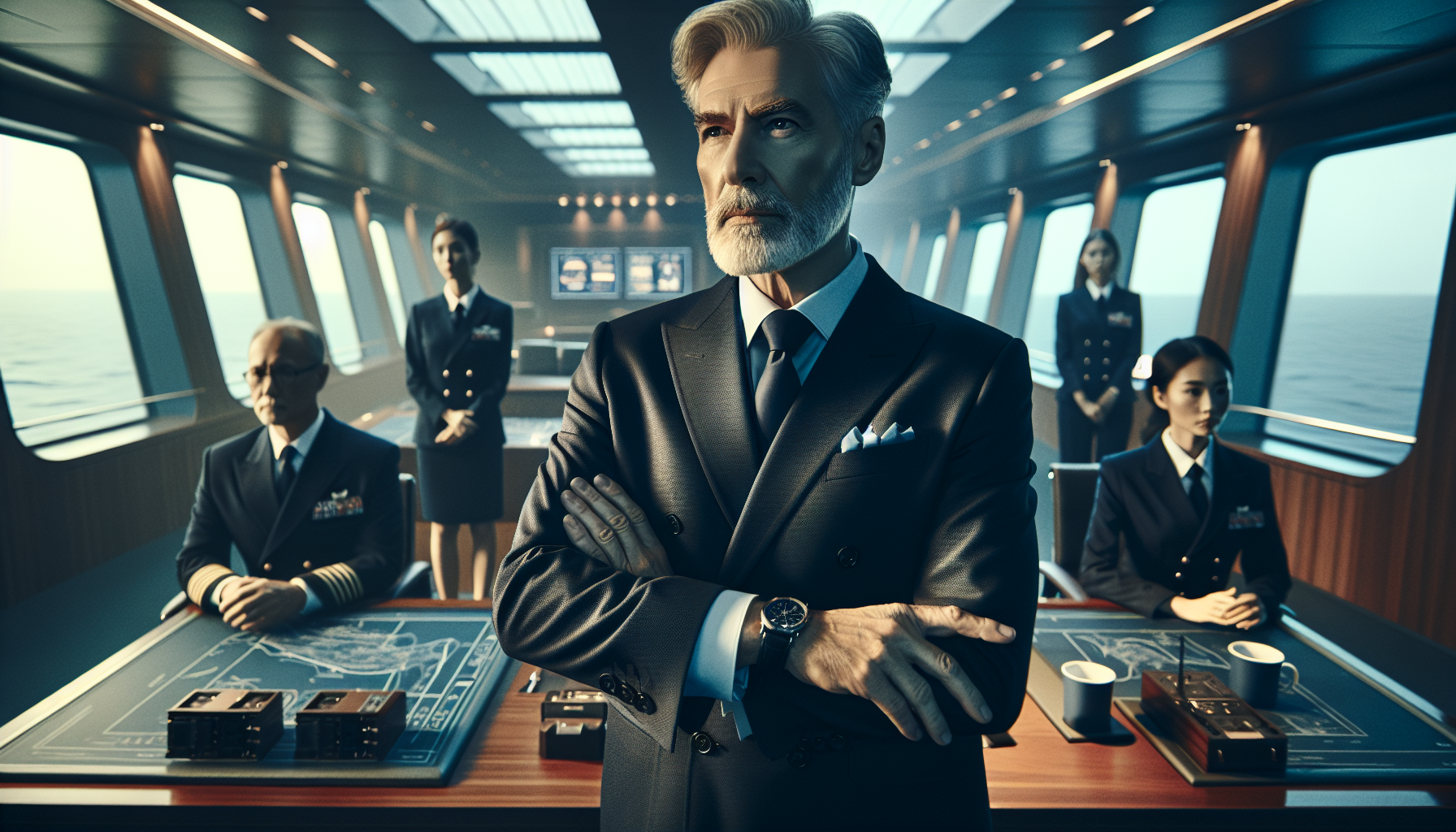
Master Certificate in Cruise Line Management
Master Certificate Level 6-7
  • TT-CMT-L
  • Leadership Stage
  • 500 total marks
  • Pass: 325 marks (65%)
  • Validity: Lifetime
Enrol Now View Brochure
AwardMaster Certificate
Global LevelLevel 6-7
Total Marks500
Pass Mark325 (65%)
Subjects6
Chapters30
Classes180

About This Certification

Who Is This For?

This certification is designed for current senior managers or directors within the cruise line industry who have extensive experience in maritime tourism and are seeking to enhance their strategic management capabilities and leadership acumen.


Course Curriculum

6 subjects • 30 chapters • 180 classes
01
Global Trends in Cruise and Maritime Tourism
5 chapters • 30 classes • 75 marks • 25h
Understanding the Evolution of Cruise and Maritime Tourism 6 classes
1.1 Explore the Origins of Cruise and Maritime Tourism
1.2 Analyze Key Milestones in Cruise Industry Development
1.3 Examine Technological Advancements Transforming Cruise Experiences
1.4 Investigate Sustainable Practices in Maritime Tourism
1.5 Identify Emerging Trends Shaping the Future of Cruising
1.6 Apply Knowledge to Predict Future Directions in Cruise Tourism
Current Global Trends in Cruise Tourism 6 classes
2.1 Understanding the Evolution of Cruise Tourism
2.2 Identifying Key Players in the Global Cruise Industry
2.3 Analyzing Consumer Preferences in Cruise Tourism
2.4 Exploring Technological Innovations in Cruise Tourism
2.5 Assessing the Environmental Impact of Cruise Tourism
2.6 Developing Strategies for Sustainable Cruise Tourism
Impact of External Factors on Cruise Line Operations 6 classes
3.1 Understanding Economic Influences on Cruise Operations
3.2 Analyzing Environmental Regulations Impact
3.3 Navigating Geopolitical Challenges in Cruise Destinations
3.4 Evaluating Technological Advancements in Maritime Tourism
3.5 Assessing the Role of Public Health in Cruise Industry
3.6 Implementing Strategies to Mitigate External Risks
Marketing and Customer Relations in the Cruise Industry 6 classes
4.1 Understanding Customer Demographics and Psychographics in Cruises
4.2 Analyzing Competitor Strategies in Cruise Marketing
4.3 Leveraging Digital Marketing for Cruise Line Success
4.4 Building Strong Customer Relations in the Cruise Industry
4.5 Implementing Sustainability in Cruise Marketing
4.6 Measuring the Impact of Marketing Strategies on Customer Retention
Future Directions and Challenges in Cruise and Maritime Tourism 6 classes
5.1 Understanding Emerging Technologies in Cruise Tourism
5.2 Analyzing Environmental Challenges and Sustainability Practices
5.3 Exploring Evolving Consumer Demographics and Preferences
5.4 Evaluating the Impact of Climate Change on Maritime Routes
5.5 Identifying Policy and Regulatory Changes in Global Markets
5.6 Strategizing for Resilience in Cruise Line Management
02
Innovative Customer Experience Strategies
5 chapters • 30 classes • 75 marks • 25h
Understanding Customer Expectations in Cruise Tourism 6 classes
1.1 Defining Customer Expectations in Cruise Tourism
1.2 Analyzing Factors Influencing Passenger Satisfaction
1.3 Exploring Key Customer Personas in Cruise Markets
1.4 Identifying Emerging Trends in Cruise Experience Requirements
1.5 Evaluating the Importance of Personalization in Cruises
1.6 Implementing Feedback Systems to Enhance Cruise Experiences
Designing Unique and Personalized Onboard Experiences 6 classes
2.1 Exploring Customer Personas for Tailored Experiences
2.2 Analyzing Guest Feedback to Drive Experience Innovation
2.3 Implementing Technology for Personalized Guest Interactions
2.4 Designing Unique Themed Events and Activities
2.5 Customizing Dining Options to Enhance Onboard Enjoyment
2.6 Evaluating Success Metrics for Personalized Experiences
Integrating Technology for Enhanced Customer Engagement 6 classes
3.1 Exploring the Role of Technology in Customer Engagement
3.2 Identifying Customer Touchpoints for Technological Integration
3.3 Leveraging Data Analytics to Understand Customer Behaviour
3.4 Personalising Experiences Through Automation
3.5 Implementing Augmented Reality to Elevate Onboard Experiences
3.6 Assessing the Impact of Emerging Technologies on Customer Satisfaction
Implementing Exceptional Service Standards and Training 6 classes
4.1 Defining Exceptional Service Standards
4.2 Analyzing Customer Expectations in Cruise Lines
4.3 Crafting Training Modules for Service Excellence
4.4 Implementing Feedback Mechanisms for Service Improvement
4.5 Role-Playing Scenarios for Customer Interactions
4.6 Evaluating the Impact of Service Training on Customer Satisfaction
Measuring and Analyzing Customer Experience Impact 6 classes
5.1 Understanding Customer Experience Metrics
5.2 Exploring Tools for Customer Feedback Collection
5.3 Analyzing Data to Identify Customer Trends
5.4 Interpreting Key Performance Indicators in Customer Experience
5.5 Assessing the Financial Impact of Customer Satisfaction
5.6 Implementing Feedback Loops to Enhance Customer Strategies
03
Leadership and Team Dynamics
5 chapters • 30 classes • 75 marks • 25h
Foundations of Leadership in Cruise Line Management 6 classes
1.1 Understanding the Core Principles of Leadership
1.2 Exploring Leadership Styles in Cruise Line Management
1.3 Identifying Key Traits of Effective Cruise Leaders
1.4 Building Trust and Influence Among Crew Members
1.5 Facilitating Collaboration and Team Cohesion
1.6 Applying Leadership Skills to Real-life Cruise Scenarios
Understanding Team Dynamics and Development on Board 6 classes
2.1 Exploring Team Roles and Responsibilities
2.2 Identifying Stages of Team Development
2.3 Analyzing Factors Influencing Team Dynamics
2.4 Enhancing Communication within Teams
2.5 Applying Conflict Resolution Strategies
2.6 Evaluating Team Performance and Growth
Communication Strategies for Effective Leadership at Sea 6 classes
3.1 Understanding Communication Barriers at Sea
3.2 Developing Active Listening Skills in Maritime Environments
3.3 Enhancing Non-Verbal Communication Techniques Onboard
3.4 Fostering Open Dialogue to Resolve Conflicts in Cruise Management
3.5 Leveraging Digital Communication Tools for Leadership at Sea
3.6 Applying Feedback for Continuous Improvement and Team Cohesion
Crisis Management and Decision-Making in the Cruise Industry 6 classes
4.1 Understanding Crisis Management in the Cruise Industry
4.2 Identifying Potential Crises on a Cruise Ship
4.3 Analyzing Decision-Making Frameworks during Crises
4.4 Applying Leadership Skills in High-Pressure Situations
4.5 Coordinating Team Dynamics for Effective Crisis Response
4.6 Evaluating Crisis Management Strategies Post-Event
Innovative Leadership and Future Trends in Cruise Lines 6 classes
5.1 Understanding Innovative Leadership in Cruise Management
5.2 Exploring Future Trends in the Cruise Industry
5.3 Adapting Leadership Techniques for Emerging Challenges
5.4 Integrating Technology in Cruise Leadership Strategies
5.5 Fostering Team Dynamics through Innovative Practices
5.6 Applying Forward-Thinking Approaches in Leadership
04
Financial Acumen for Cruise Line Leaders
5 chapters • 30 classes • 75 marks • 25h
Understanding Financial Statements in the Cruise Industry 6 classes
1.1 Explore the Structure of Financial Statements
1.2 Analyze the Balance Sheet of a Cruise Line
1.3 Interpret Income Statements in the Cruise Industry
1.4 Evaluate Cash Flow Statements for Cruise Operations
1.5 Identify Key Financial Ratios and Metrics
1.6 Apply Financial Statement Insights to Decision Making
Cost Management and Budgeting for Cruise Lines 6 classes
2.1 Understanding Cost Structures in Cruise Operations
2.2 Analyzing Variable and Fixed Costs in Cruise Lines
2.3 Developing a Comprehensive Cruise Line Budget
2.4 Implementing Effective Cost Control Strategies
2.5 Evaluating Financial Performance and Budget Variances
2.6 Applying Cost Management Insights for Leadership Decisions
Revenue Streams and Profitability in Cruise Operations 6 classes
3.1 Understanding Core Revenue Streams in Cruise Operations
3.2 Analyzing Ancillary Revenue Sources and Their Impact
3.3 Identifying Cost Drivers and Expense Management Strategies
3.4 Calculating Profit Margins and Optimizing Profitability
3.5 Evaluating Financial Performance through Key Metrics
3.6 Crafting Strategies for Sustainable Revenue Growth
Financial Risk Management in Maritime Tourism 6 classes
4.1 Understanding Maritime Risk Factors
4.2 Analyzing Financial Risk in Cruise Operations
4.3 Identifying Common Risks in Maritime Tourism
4.4 Employing Risk Mitigation Strategies
4.5 Applying Quantitative Risk Assessment Tools
4.6 Implementing a Risk Management Framework
Advanced Financial Decision-Making for Cruise Executives 6 classes
5.1 Understanding Complex Financial Statements
5.2 Analyzing Profitability Metrics in Cruise Operations
5.3 Evaluating Capital Investment Decisions
5.4 Assessing Risk and Return in Financial Strategies
5.5 Optimizing Budget Allocations for Strategic Growth
5.6 Implementing Financial Controls for Sustainable Performance
05
Operational Excellence in Cruise Lines
5 chapters • 30 classes • 100 marks • 30h
Understanding Cruise Line Operations and Logistics 6 classes
1.1 Exploring Cruise Line Operational Structures
1.2 Analyzing Key Components of Cruise Logistics
1.3 Understanding Passenger Flow Management Onboard
1.4 Mastering Efficient Supply Chain Systems in Cruise Lines
1.5 Implementing Safety and Compliance Measures at Sea
1.6 Optimizing Turnaround Processes for Cruise Operations
Safety Protocols and Environmental Sustainability 6 classes
2.1 Understanding Cruise Line Safety Regulations
2.2 Analyzing Emergency Response Protocols
2.3 Implementing Effective Safety Drills
2.4 Exploring Environmental Sustainability Practices
2.5 Assessing Waste Management Solutions on Ships
2.6 Developing a Culture of Safety and Sustainability
Enhancing Passenger Experience and Customer Service 6 classes
3.1 Understanding Passenger Expectations in Cruise Experiences
3.2 Identifying Key Factors in Passenger Satisfaction
3.3 Implementing Customer-Centric Service Strategies
3.4 Training Staff for Exceptional Customer Interaction
3.5 Utilizing Feedback for Continuous Service Improvement
3.6 Designing Memorable Guest Experiences on Cruises
Revenue Management and Financial Optimization in Cruise Lines 6 classes
4.1 Understanding Fundamentals of Cruise Line Revenue Streams
4.2 Exploring Pricing Strategies for Optimizing Profit
4.3 Analyzing Passenger Segmentation for Targeted Sales
4.4 Implementing Yield Management for Enhanced Revenue
4.5 Utilizing Financial Metrics for Performance Evaluation
4.6 Strategizing for Long-Term Financial Sustainability
Innovations and Future Trends in Cruise Line Management 6 classes
5.1 Understanding Technological Innovations in Cruise Operations
5.2 Exploring Sustainability Trends in Cruise Line Management
5.3 Analyzing the Impact of Artificial Intelligence on Cruise Services
5.4 Integrating Virtual Reality for Enhanced Passenger Experience
5.5 Evaluating Emerging Safety Protocols in Cruise Management
5.6 Applying Future Trends to Drive Operational Excellence
06
Strategic Management in Maritime Tourism
5 chapters • 30 classes • 100 marks • 30h
Understanding Maritime Tourism Dynamics 6 classes
1.1 Exploring Core Concepts of Maritime Tourism
1.2 Analyzing the Economic Impact of Maritime Tourism
1.3 Identifying Key Stakeholders in Maritime Tourism
1.4 Examining Environmental Challenges in Maritime Tourism
1.5 Assessing Consumer Trends in Maritime Tourism
1.6 Developing Strategic Plans for Maritime Tourism Growth
Strategic Planning and Development in Cruise Operations 6 classes
2.1 Exploring Strategic Planning in Cruise Operations
2.2 Analyzing Market Positioning for Cruise Lines
2.3 Developing Sustainable Practices in Cruise Management
2.4 Formulating Competitive Strategies for Cruise Expansion
2.5 Implementing Effective Resource Allocation Strategies
2.6 Assessing Strategic Outcomes in Maritime Tourism
Market Analysis and Customer Insights for Cruise Lines 6 classes
3.1 Understanding the Cruise Market Landscape
3.2 Identifying Key Consumer Segments in Maritime Tourism
3.3 Analyzing Competitor Strategies in Cruise Operations
3.4 Leveraging Customer Insights for Strategic Planning
3.5 Developing Targeted Marketing Strategies for Cruising
3.6 Evaluating Market Trends and Consumer Preferences
Financial Strategies and Revenue Management in Maritime Tourism 6 classes
4.1 Understanding Maritime Revenue Streams
4.2 Analyzing Cost Structures in Cruise Operations
4.3 Exploring Pricing Strategies for Cruise Lines
4.4 Optimizing Occupancy Rates for Profitability
4.5 Implementing Yield Management Techniques
4.6 Evaluating Financial Performance in Maritime Tourism
Sustainable and Ethical Leadership in Maritime Tourism 6 classes
5.1 Understanding Sustainable Leadership in Maritime Tourism
5.2 Exploring Ethical Frameworks in Cruise Line Management
5.3 Recognizing the Impact of Sustainable Practices on Maritime Operations
5.4 Analyzing Case Studies of Ethical Leadership in the Cruise Industry
5.5 Developing Strategies for Sustainable Decision-Making
5.6 Applying Ethical Leadership Principles to Real-World Scenarios

Assessment & Grading

Assessment Methods
  • Written Examination
  • Practical Assignment
  • Portfolio Assessment
Theory
50%
Practical
35%
Project
15%
Master Certificate in Cruise Line Management
Master Certificate Level 6-7
Enrol Now View Brochure
Enrol Now

Related Certifications


Chat with us Chat with us