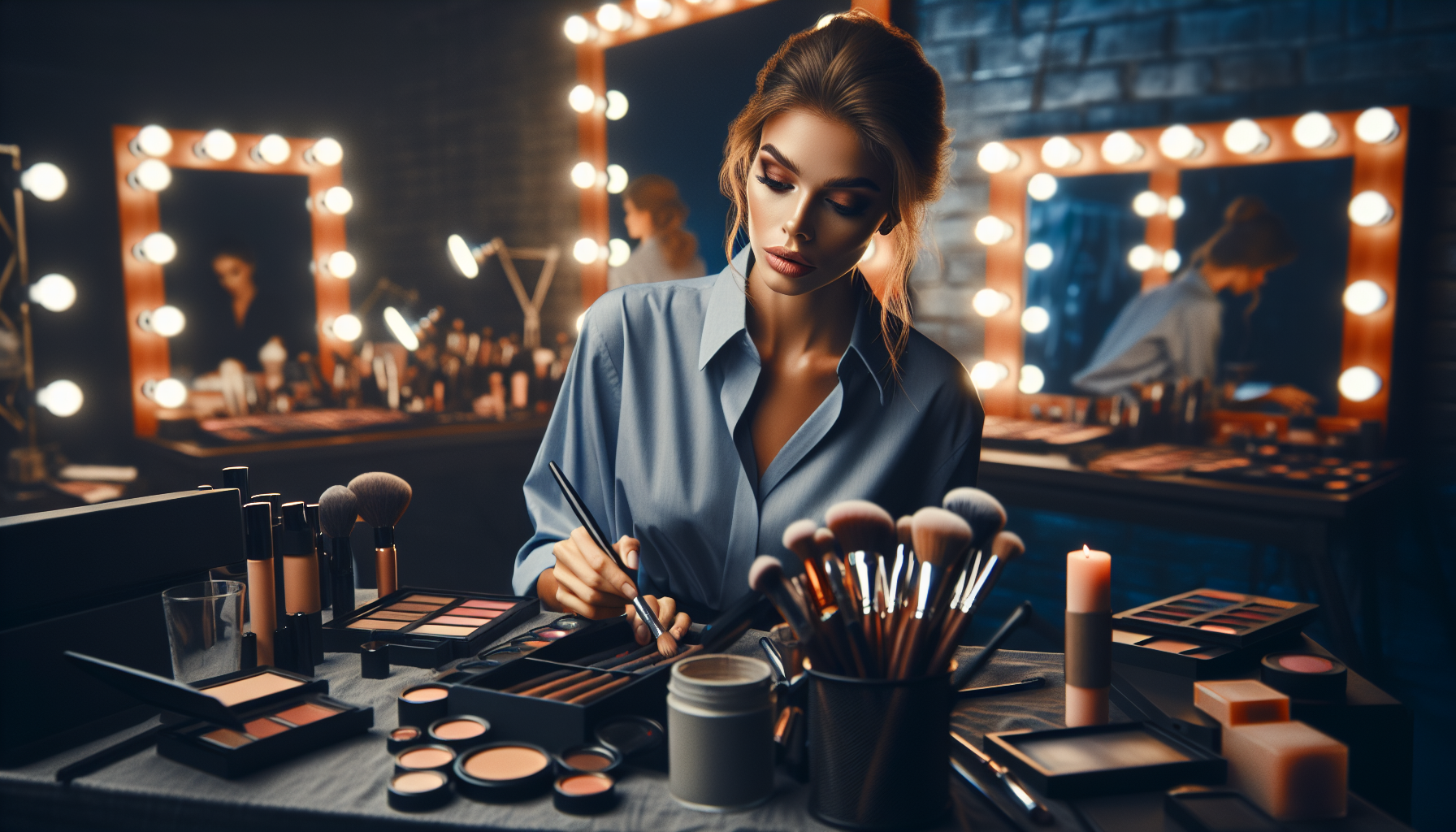
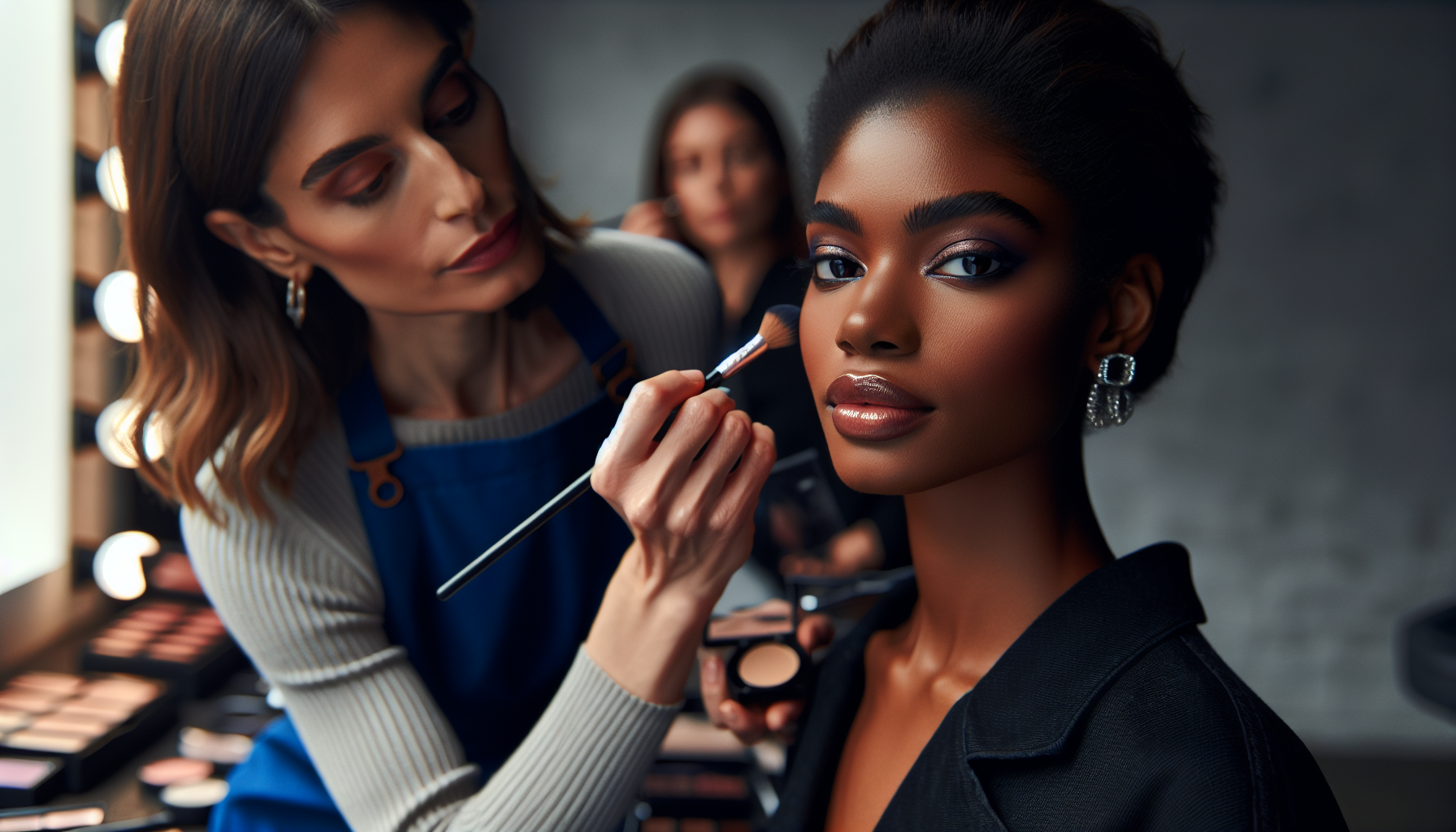
Certificate Level 2-3 Foundation Beauty Industry Makeup Artistry

Certificate in Professional Makeup Artistry

Foundation Level

6 Subjects
24 Chapters
120 Lessons
500 Marks

LAPT — London Academy of Professional Training
Certificate in Professional Makeup Artistry
Certificate Level 2-3
  • BE-MKA-F
  • Foundation Stage
  • 500 total marks
  • Pass: 300 marks (60%)
  • Validity: Lifetime
Enrol Now View Brochure
AwardCertificate
Global LevelLevel 2-3
Total Marks500
Pass Mark300 (60%)
Subjects6
Chapters24
Classes120

About This Certification

Who Is This For?

This certification is designed for individuals who are new to the makeup artistry field. It is suitable for beginners who wish to pursue a career in the beauty industry and require essential skills and knowledge of makeup application.
Course Curriculum

6 subjects • 24 chapters • 120 classes
01
Professional Conduct and Career Development
4 chapters • 20 classes • 50 marks • 10h
Understanding Professional Ethics in Makeup Artistry 5 classes
1.1 Defining Ethics in Makeup Artistry
1.2 Identifying Key Ethical Principles
1.3 Analyzing Real-World Ethical Dilemmas
1.4 Applying Ethical Decision-Making Strategies
1.5 Developing a Personal Code of Ethics
Effective Communication and Client Interaction 5 classes
2.1 Understanding the Basics of Effective Communication
2.2 Mastering Active Listening Techniques
2.3 Developing Professional Client Interaction Skills
2.4 Navigating Difficult Conversations with Clients
2.5 Applying Communication Strategies in Real-Life Scenarios
Building a Professional Profile and Portfolio 5 classes
3.1 Understanding the Components of a Professional Makeup Portfolio
3.2 Crafting a Compelling Personal Brand in Makeup Artistry
3.3 Selecting and Showcasing Your Best Work
3.4 Developing an Online Presence and Social Media Strategy
3.5 Networking with Industry Professionals and Building Client Relationships
Navigating Career Opportunities in Makeup Artistry 5 classes
4.1 Understanding the Landscape of Makeup Artistry Careers
4.2 Identifying Key Skills for Makeup Artistry Success
4.3 Exploring Diverse Career Paths in Makeup Artistry
4.4 Building a Professional Portfolio and Network
4.5 Strategizing for Career Advancement in Makeup Artistry
02
Designing Makeup Plans for Clients
4 chapters • 20 classes • 75 marks • 15h
Understanding Client Needs and Skin Types 5 classes
1.1 Exploring Client Preferences and Requirements
1.2 Identifying Various Skin Types and Characteristics
1.3 Assessing Environmental and Lifestyle Factors
1.4 Integrating Client Needs with Skin Type Analysis
1.5 Developing Tailored Makeup Plans
Color Theory and Matching Techniques 5 classes
2.1 Understanding the Basics of Color Theory
2.2 Identifying Skin Undertones for Makeup Selection
2.3 Exploring Color Harmony in Makeup Design
2.4 Applying Color Correcting Techniques
2.5 Customizing Makeup Plans Based on Client’s Tone and Preferences
Makeup Design and Application Techniques 5 classes
3.1 Understanding Client Needs and Preferences
3.2 Identifying Face Shapes and Skin Tones
3.3 Selecting Appropriate Makeup Products
3.4 Mastering Basic Application Techniques
3.5 Customizing Makeup Plans for Diverse Clients
Tailoring Makeup Plans for Diverse Clients 5 classes
4.1 Understanding Client Needs and Makeup Preferences
4.2 Analyzing Skin Tones and Undertones for Makeup Selection
4.3 Planning Makeup Looks for Different Occasions and Cultures
4.4 Customizing Makeup Techniques for Varied Facial Features
4.5 Creating Comprehensive Makeup Plans for Diverse Clientele
03
Colour Theory in Makeup Artistry
4 chapters • 20 classes • 75 marks • 10h
Understanding the Colour Wheel and Its Applications in Makeup 5 classes
1.1 Exploring the Basics of the Colour Wheel
1.2 Identifying Primary, Secondary, and Tertiary Colours
1.3 Understanding Colour Harmony in Makeup
1.4 Analyzing Warm and Cool Tones in Products
1.5 Applying Colour Theory to Enhance Features
Colour Harmony and Contrast in Makeup Design 5 classes
2.1 Understanding the Basics of Colour Harmony
2.2 Exploring the Colour Wheel: Primary, Secondary and Tertiary Colours
2.3 Identifying and Creating Complementary Colour Schemes
2.4 Using Analogous Colours for Cohesive Makeup Looks
2.5 Applying Colour Contrast Techniques in Makeup Design
Skin Undertones and Their Influence on Colour Selection 5 classes
3.1 Understanding the Basics of Skin Undertones
3.2 Identifying Warm, Cool, and Neutral Undertones
3.3 Analyzing the Impact of Undertones on Colour Choices
3.4 Matching Foundation Shades to Various Undertones
3.5 Applying Undertone Knowledge to Enhance Makeup Techniques
Advanced Colour Techniques for Enhancing Features 5 classes
4.1 Understanding the Impact of Colour Schemes on Facial Features
4.2 Identifying Undertones and Choosing Complementary Colours
4.3 Creating Dimension with Highlight and Shadow Colours
4.4 Enhancing Eye Shapes with Gradient and Contrast Techniques
4.5 Balancing Lip and Cheek Colours for Harmonious Looks
04
Skin Analysis and Product Selection
4 chapters • 20 classes • 100 marks • 15h
Understanding Skin Types and Conditions 5 classes
1.1 Identifying Different Skin Types: Dry, Oily, Combination, and Normal
1.2 Recognizing Common Skin Conditions: Acne, Rosacea, and Eczema
1.3 Analyzing Skin Texture and Tone: Tools and Techniques
1.4 Selecting Appropriate Skincare Products: Matching Products to Skin Types
1.5 Customizing Makeup Application: Adapting Techniques for Skin Conditions
Techniques for Accurate Skin Analysis 5 classes
2.1 Understanding Skin Types: A Foundation for Analysis
2.2 Identifying Skin Conditions: Spotting Key Indicators
2.3 Using Tools for Skin Analysis: Techniques and Tips
2.4 Conducting a Hands-On Skin Examination: Practical Steps
2.5 Matching Products to Skin Analysis Results: Strategic Selection
Identifying Ingredients and Their Effects 5 classes
3.1 Understanding Common Skin Types and Their Needs
3.2 Identifying Key Skincare Ingredients and Their Functions
3.3 Analyzing Product Labels for Active Ingredients
3.4 Assessing the Compatibility of Ingredients with Skin Types
3.5 Selecting Suitable Products Based on Ingredient Analysis
Product Selection and Recommendation 5 classes
4.1 Understanding Skin Types and Their Needs
4.2 Identifying Common Skin Concerns
4.3 Evaluating Product Ingredients for Skin Benefits
4.4 Selecting Suitable Products for Diverse Skin Types
4.5 Recommending a Personalized Skincare Regimen
05
Fundamental Makeup Techniques
4 chapters • 20 classes • 125 marks • 20h
Chapter 1 — Understanding Facial Anatomy and Skin Types 5 classes
1.1 Explore Facial Anatomy: Structure and Features
1.2 Identify Skin Types: Characteristics and Differences
1.3 Analyze Skin Conditions: Diagnosis and Considerations
1.4 Assess Face Shapes: Customizing Makeup Strategies
1.5 Practice Skin Preparation: Adapting to Skin Types
Chapter 2 — Tools and Products of the Trade 5 classes
2.1 Understanding Makeup Brushes: Types and Uses
2.2 Mastering the Art of Blending: Tools and Techniques
2.3 Exploring Makeup Product Varieties and Their Functions
2.4 Sanitization and Care for Makeup Tools
2.5 Selecting and Storing Makeup Products for Optimal Results
Chapter 3 — Mastering Foundation and Complexion Techniques 5 classes
3.1 Understanding Skin Types and Undertones
3.2 Selecting The Right Foundation Formula
3.3 Mastering Application Techniques for Flawless Finish
3.4 Perfecting Concealer and Color Correction
3.5 Achieving a Natural Glow with Highlighting and Contouring
Chapter 4 — Enhancing Features: Eyes, Lips, and Brows 5 classes
4.1 Understanding Facial Symmetry and Enhancing Eye Shape
4.2 Selecting and Applying Eye Shadow Techniques
4.3 Mastering Eyeliner Styles for Different Looks
4.4 Defining and Shaping Brows to Frame the Face
4.5 Perfecting Lip Techniques for Natural and Bold Statements
06
Introduction to Makeup Tools and Hygiene
4 chapters • 20 classes • 75 marks • 10h
Understanding and Selecting Essential Makeup Tools 5 classes
1.1 Identifying Essential Makeup Tools and Their Uses
1.2 Exploring Brush Types and Functions
1.3 Comparing Sponge and Applicator Types
1.4 Understanding the Role of Lash and Brow Tools
1.5 Selecting the Right Tools for Various Makeup Techniques
Proper Care and Maintenance of Makeup Tools 5 classes
2.1 Understanding Makeup Tool Categories and Their Uses
2.2 Mastering Basic Techniques for Cleaning Makeup Brushes
2.3 Sanitizing and Storing Makeup Sponges for Hygiene
2.4 Maintaining Metal Tools: Tweezers and Lash Curlers
2.5 Implementing Safe Practices for Makeup Tool Hygiene
Hygienic Practices in Makeup Application 5 classes
3.1 Understanding the Importance of Hygiene in Makeup
3.2 Identifying and Organising Essential Makeup Tools
3.3 Demonstrating Proper Sanitation Techniques for Brushes
3.4 Practicing Personal Hygiene Protocols for Makeup Application
3.5 Implementing Safe and Clean Workspaces in Makeup Artistry
Identifying and Managing Hygiene-Related Issues 5 classes
4.1 Understanding the Importance of Hygiene in Makeup Artistry
4.2 Identifying Common Hygiene-Related Issues in Makeup Tools
4.3 Implementing Effective Cleaning Techniques for Makeup Brushes
4.4 Applying Proper Sanitization Methods to Cosmetic Products
4.5 Establishing Personal and Client Hygiene Protocols

Assessment & Grading

Assessment Methods
  • Written Examination
  • Practical Assignment
  • Portfolio Assessment
Theory
70%
Practical
20%
Project
10%
Certificate in Professional Makeup Artistry
Certificate Level 2-3
  • BE-MKA-F
  • Foundation Stage
  • 500 total marks
  • Pass: 300 (60%)
  • Validity: Lifetime
  • Beauty Industry
Enrol Now View Brochure
Enrol Now

Related Certifications


Chat with us Chat with us