Certificate Level 2-3 Foundation Aviation Industry Passenger Services & Experience

Certificate in Airport Passenger Handling

Foundation Level

6 Subjects
24 Chapters
120 Lessons
500 Marks

LAPT — London Academy of Professional Training
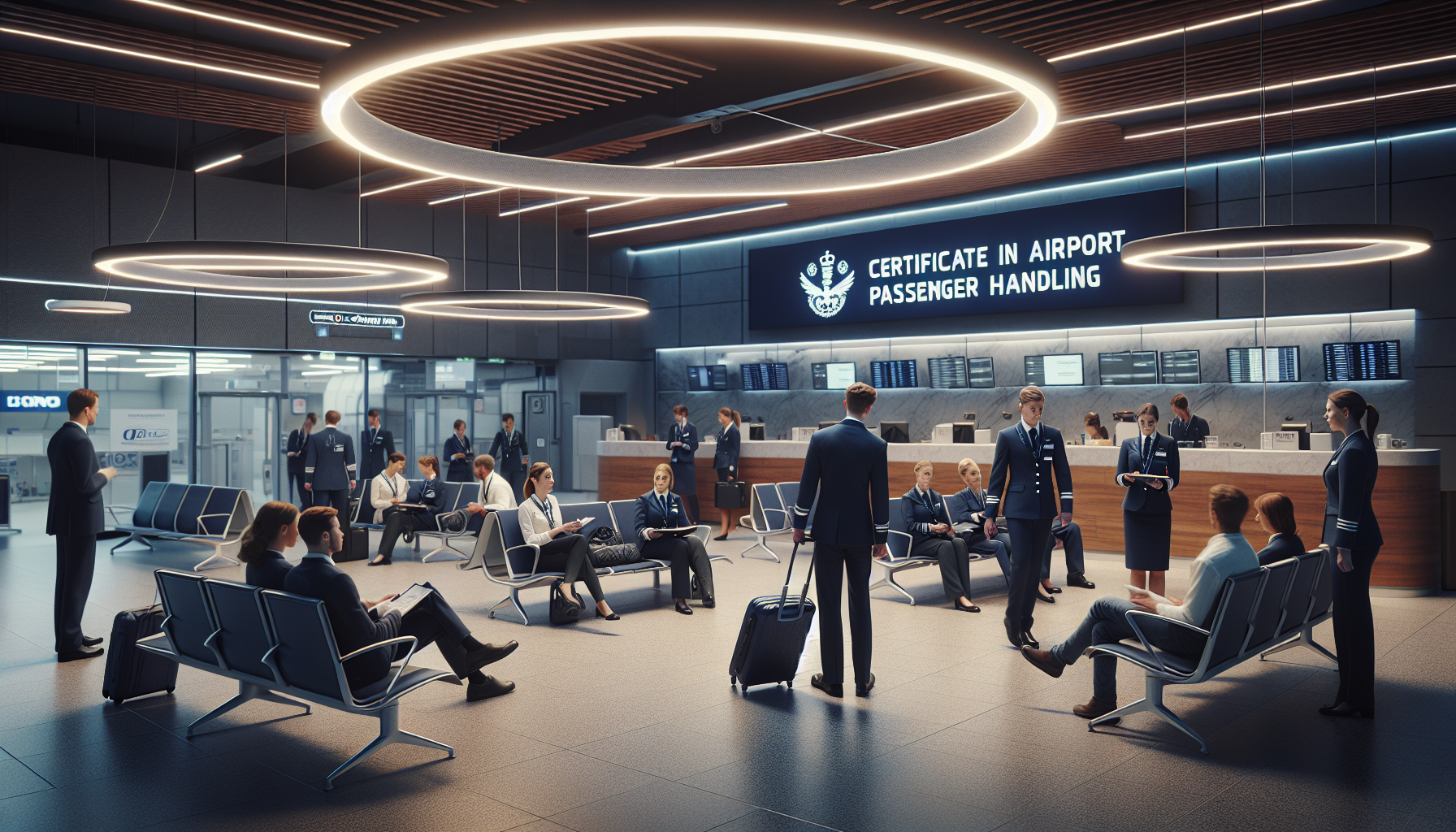
Certificate in Airport Passenger Handling
Certificate Level 2-3
  • AV-PSE-F
  • Foundation Stage
  • 500 total marks
  • Pass: 300 marks (60%)
  • Validity: Lifetime
Enrol Now View Brochure
AwardCertificate
Global LevelLevel 2-3
Total Marks500
Pass Mark300 (60%)
Subjects6
Chapters24
Classes120

About This Certification

Who Is This For?

This certification is for entry-level professionals, airport staff, and individuals new to the aviation industry who seek to gain foundational skills in airport passenger services and improve the passenger experience.

Course Curriculum

6 subjects • 24 chapters • 120 classes
01
Problem-solving in Passenger Services
4 chapters • 20 classes • 100 marks • 10h
Understanding Passenger Needs and Expectations 5 classes
1.1 Identifying Diverse Passenger Profiles
1.2 Exploring Passenger Needs
1.3 Analyzing Passenger Expectations
1.4 Addressing Passenger Queries Effectively
1.5 Applying Problem-Solving Techniques to Enhance Passenger Experience
Identifying and Analyzing Common Passenger Problems 5 classes
2.1 Understanding Passenger Behavior and Expectations
2.2 Identifying Frequent Passenger Complaints
2.3 Analyzing Root Causes of Common Issues
2.4 Developing Solutions for Frequent Problems
2.5 Implementing Problem-Solving Strategies
Developing Effective Problem-solving Techniques 5 classes
3.1 Understanding Problem Types in Passenger Services
3.2 Identifying Root Causes of Common Issues
3.3 Applying Critical Thinking to Passenger Problems
3.4 Developing Collaborative Solutions with Team Members
3.5 Evaluating the Effectiveness of Implemented Solutions
Implementing Solutions and Enhancing Passenger Experience 5 classes
4.1 Identifying Passenger Issues
4.2 Analyzing Passenger Feedback
4.3 Developing Effective Solutions
4.4 Implementing Solutions in Real-Time
4.5 Evaluating and Enhancing Service Experience
02
Technology in Passenger Handling
4 chapters • 20 classes • 100 marks • 15h
Understanding Technological Systems in Passenger Handling 5 classes
1.1 Exploring Digital Check-In Systems
1.2 Navigating Automated Baggage Handling
1.3 Understanding E-Gate Functionality
1.4 Analyzing Security Screening Technologies
1.5 Implementing Passenger Information Systems
Digital Check-In and Boarding Innovations 5 classes
2.1 Understanding Digital Check-In Processes
2.2 Exploring Mobile and Online Check-In Options
2.3 Implementing Biometric Boarding Techniques
2.4 Analyzing Self-Service Technologies in Airports
2.5 Evaluating Security and Efficiency of Digital Innovations
Enhancing Passenger Experience Through Mobile and Web Applications 5 classes
3.1 Exploring Mobile and Web Technologies in Passenger Handling
3.2 Analyzing Key Features of Passenger Apps for Enhanced Experience
3.3 Understanding the Role of User Interface and User Experience (UI/UX)
3.4 Evaluating Case Studies of Successful Airport Mobile Applications
3.5 Implementing Passenger Feedback to Improve Digital Services
Future Technologies and Trends in Passenger Handling 5 classes
4.1 Understanding Biometrics in Passenger Processing
4.2 Exploring Artificial Intelligence for Enhanced Passenger Experience
4.3 Integrating Internet of Things (IoT) in Airport Operations
4.4 Applying Blockchain for Secure and Efficient Passenger Transactions
4.5 Evaluating the Impact of Virtual and Augmented Reality in Passenger Engagement
03
Effective Communication Techniques
4 chapters • 20 classes • 50 marks • 10h
Understanding the Basics of Passenger Communication 5 classes
1.1 Identifying Key Elements of Effective Passenger Communication
1.2 Understanding Passenger Needs and Expectations
1.3 Developing Active Listening Skills for Better Passenger Engagement
1.4 Practicing Clear and Concise Verbal Communication
1.5 Implementing Non-Verbal Techniques to Enhance Passenger Interactions
Verbal and Non-Verbal Communication Skills 5 classes
2.1 Understanding the Basics of Verbal Communication
2.2 Exploring Tone and Word Choice in Passenger Interactions
2.3 Identifying Non-Verbal Cues and Body Language
2.4 Practicing Active Listening Techniques
2.5 Applying Combined Communication Skills in Real Scenarios
Handling Challenging Situations and Conflict Resolution 5 classes
3.1 Understanding the Roots of Conflict in Airport Settings
3.2 Identifying Triggers and De-escalation Techniques
3.3 Practicing Active Listening and Empathetic Responses
3.4 Applying Conflict Resolution Frameworks in Real Scenarios
3.5 Reflecting on Personal Conflict Management Styles
Cultural Sensitivity and Inclusivity in Passenger Interaction 5 classes
4.1 Understanding Cultural Differences in Communication
4.2 Identifying Biases in Passenger Interactions
4.3 Adapting Communication Styles for Inclusivity
4.4 Responding to Diverse Passenger Needs Effectively
4.5 Implementing Inclusive Practices in Real-Life Scenarios
04
Safety and Security Protocols
4 chapters • 20 classes • 50 marks • 10h
Understanding Airport Security Protocols 5 classes
1.1 Exploring the Purpose of Airport Security Measures
1.2 Identifying Key Security Checkpoints and Procedures
1.3 Recognizing Banned Items and Prohibited Behaviors
1.4 Understanding the Role of Security Personnel
1.5 Responding to Security Alerts and Emergencies
Passenger Safety Procedures and Roles 5 classes
2.1 Understanding Passenger Safety Responsibilities
2.2 Identifying and Assessing Safety Risks
2.3 Implementing Passenger Screening Procedures
2.4 Coordinating Emergency Response Protocols
2.5 Evaluating Passenger Safety Protocols
Advanced Screening Techniques and Technologies 5 classes
3.1 Understanding Advanced Screening Technologies
3.2 Analyzing Security Protocols for Passenger Screening
3.3 Implementing X-Ray and Body Scanner Techniques
3.4 Evaluating Threat Detection Algorithms
3.5 Enhancing Screening Efficiency and Accuracy
Crisis Management and Emergency Response 5 classes
4.1 Understanding Crisis Management Frameworks
4.2 Identifying Types of Airport Emergencies
4.3 Implementing Initial Response Procedures
4.4 Coordinating with Emergency Services
4.5 Evaluating Emergency Response Effectiveness
05
Customer Service Excellence
4 chapters • 20 classes • 125 marks • 20h
Understanding Customer Needs and Expectations in Aviation 5 classes
1.1 Exploring Customer Needs in Aviation
1.2 Analyzing Common Passenger Expectations
1.3 Identifying Key Factors in Customer Satisfaction
1.4 Strategies for Effective Communication with Passengers
1.5 Implementing Feedback for Enhanced Service
Effective Communication Techniques with Passengers 5 classes
2.1 Understanding the Basics of Passenger Interaction
2.2 Developing Active Listening Skills for Effective Communication
2.3 Mastering Non-Verbal Communication with Passengers
2.4 Practicing Empathy and Patience in Customer Service
2.5 Applying Conflict Resolution Techniques in Real Scenarios
Managing Stress and Challenging Situations with Passengers 5 classes
3.1 Understanding Stress Triggers in Airport Settings
3.2 Identifying Passenger Emotions and Reactions
3.3 Developing Active Listening Skills for Better Communication
3.4 Implementing De-escalation Techniques in Challenging Situations
3.5 Practicing Stress Management Strategies for Improved Service
Enhancing the Passenger Experience through Service Excellence 5 classes
4.1 Understanding Passenger Needs and Expectations
4.2 Communicating Effectively with Diverse Passengers
4.3 Delivering Personalized Service Interactions
4.4 Managing Challenging Situations Gracefully
4.5 Implementing Feedback for Service Improvement
06
Introduction to Airport Operations
4 chapters • 20 classes • 75 marks • 15h
Understanding the Airport Ecosystem 5 classes
1.1 Exploring the Airport Ecosystem: An Introduction
1.2 Identifying Key Airport Stakeholders and Their Roles
1.3 Understanding Airport Infrastructure and Facilities
1.4 Navigating the Passenger Journey: From Check-in to Boarding
1.5 Analyzing Airport Safety and Security Protocols
Passenger Check-in and Baggage Processing 5 classes
2.1 Understanding Passenger Check-in Processes
2.2 Identifying Documents Required for Check-in
2.3 Executing Effective Baggage Drop Procedures
2.4 Managing Special Baggage Handling
2.5 Troubleshooting Common Check-in and Baggage Issues
Security Procedures and Compliance 5 classes
3.1 Understanding Airport Security Protocols
3.2 Identifying Security Threats in Airports
3.3 Implementing Passenger Screening Procedures
3.4 Complying with Security Regulations
3.5 Responding to Security Breaches Effectively
Passenger Experience and Customer Service Excellence 5 classes
4.1 Understanding Passenger Needs and Expectations
4.2 Exploring Key Elements of Customer Service Excellence
4.3 Implementing Effective Communication Strategies
4.4 Managing Challenging Situations with Passengers
4.5 Applying Feedback for Continuous Service Improvement

Assessment & Grading

Assessment Methods
  • Written Examination
  • Practical Assignment
  • Portfolio Assessment
Theory
70%
Practical
20%
Project
10%
Certificate in Airport Passenger Handling
Certificate Level 2-3
  • AV-PSE-F
  • Foundation Stage
  • 500 total marks
  • Pass: 300 (60%)
  • Validity: Lifetime
  • Aviation Industry
Enrol Now View Brochure
Enrol Now

Related Certifications


Chat with us Chat with us