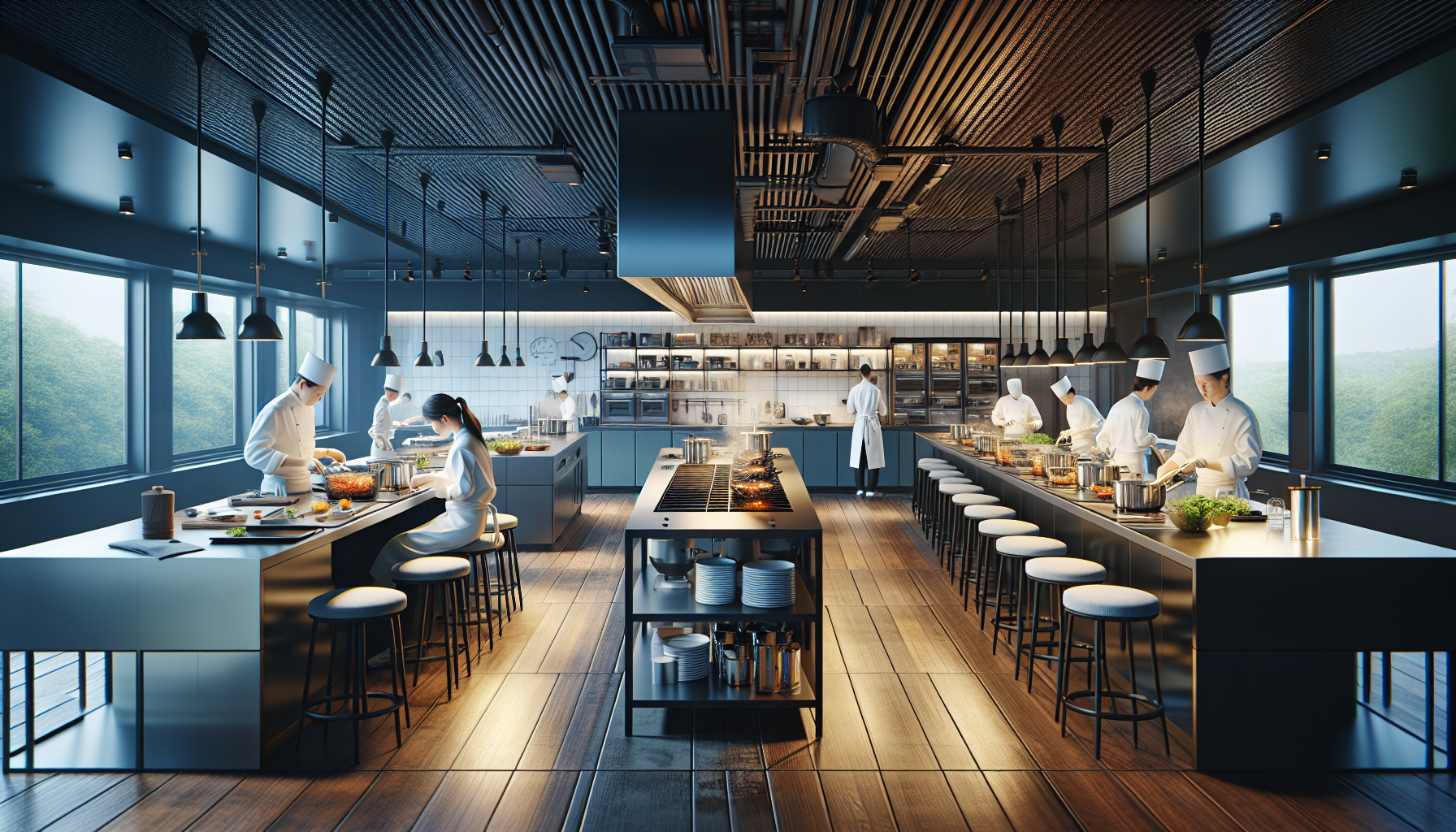
Master Certificate Level 6-7 Leadership Food Industry Advanced Culinary Arts

Master Certificate in Culinary Arts & Innovation

Leadership Level

6 Subjects
30 Chapters
180 Lessons
500 Marks

LAPT — London Academy of Professional Training
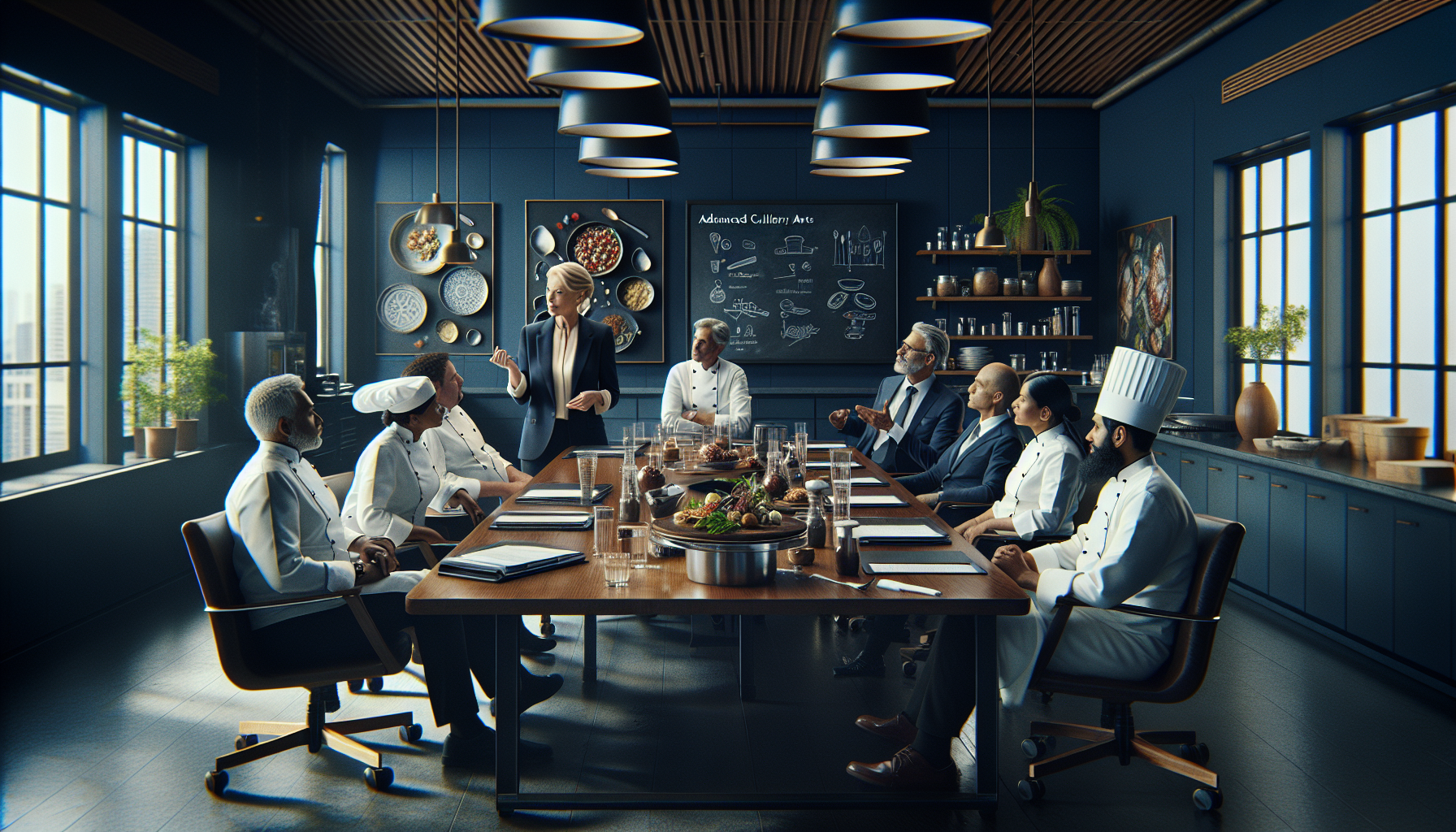
Master Certificate in Culinary Arts & Innovation
Master Certificate Level 6-7
  • FD-ACA-L
  • Leadership Stage
  • 500 total marks
  • Pass: 325 marks (65%)
  • Validity: Lifetime
Enrol Now View Brochure
AwardMaster Certificate
Global LevelLevel 6-7
Total Marks500
Pass Mark325 (65%)
Subjects6
Chapters30
Classes180

About This Certification

Who Is This For?

This certification targets experienced culinary professionals in senior roles who aspire to enhance their leadership capabilities and drive innovation within the culinary industry. It is ideal for head chefs, kitchen managers, and culinary entrepreneurs seeking to broaden their strategic and innovation expertise.

Course Curriculum

6 subjects • 30 chapters • 180 classes
01
Communication and Team Dynamics
5 chapters • 30 classes • 75 marks • 30h
Understanding Communication in Culinary Teams 6 classes
1.1 Exploring the Basics of Effective Communication
1.2 Identifying Communication Styles in Culinary Settings
1.3 Developing Active Listening Skills for the Kitchen
1.4 Enhancing Non-Verbal Communication Among Team Members
1.5 Navigating Challenges in Team Communication
1.6 Applying Conflict Resolution Techniques in Culinary Teams
Building Effective Team Dynamics 6 classes
2.1 Understanding Team Roles and Responsibilities
2.2 Cultivating Effective Communication Skills
2.3 Building Trust and Psychological Safety
2.4 Managing Conflict in Culinary Teams
2.5 Fostering Collaborative Problem Solving
2.6 Applying Team Dynamics to Leadership Scenarios
Leveraging Cultural and Emotional Intelligence 6 classes
3.1 Understanding Cultural Intelligence: Recognising Diverse Backgrounds
3.2 Developing Emotional Intelligence: Identifying and Managing Emotions
3.3 Exploring Cultural Norms: Communicating Across Cultures
3.4 Building Empathy: Techniques for Effective Team Collaboration
3.5 Navigating Conflict: Strategies for Resolving Cross-Cultural Disputes
3.6 Applying Emotional Intelligence: Leading Inclusive Teams
Conflict Resolution and Problem-Solving Strategies 6 classes
4.1 Understanding the Roots of Conflict: Identifying Causes and Triggers
4.2 Communicating Effectively in Tense Situations: Techniques for De-escalation
4.3 Exploring Problem-Solving Strategies: From Analysis to Solution
4.4 Collaborative Decision-Making: Engaging Team Input and Buy-In
4.5 Mediating Conflicts: Roles and Responsibilities in Resolution
4.6 Applying Conflict Management Skills in Culinary Leadership: Real-World Scenarios
Innovative Leadership and Communication in Culinary Arts 6 classes
5.1 Understanding Innovative Leadership in Culinary Arts
5.2 Exploring Effective Communication Styles in the Kitchen
5.3 Developing Active Listening Skills for Culinary Leaders
5.4 Fostering a Collaborative Team Environment
5.5 Applying Problem-Solving Techniques in Culinary Teams
5.6 Evaluating Leadership and Communication Success in Culinary Settings
02
Culinary Business Strategy
5 chapters • 30 classes • 100 marks • 25h
Understanding the Culinary Business Landscape 6 classes
1.1 Exploring Key Trends in the Culinary Business
1.2 Analyzing Market Forces Affecting Culinary Enterprises
1.3 Identifying Successful Business Models in the Food Industry
1.4 Evaluating Competitive Strategies in Culinary Business
1.5 Understanding the Impact of Sustainability in Culinary Ventures
1.6 Leveraging Technology for Culinary Business Success
Developing Innovative Culinary Concepts 6 classes
2.1 Explore: Trends in Innovative Culinary Concepts
2.2 Examine: Case Studies of Successful Culinary Innovations
2.3 Identify: Key Factors Driving Culinary Innovation
2.4 Brainstorm: Generating Creative Cuisine Ideas
2.5 Evaluate: Assessing Feasibility of New Culinary Concepts
2.6 Plan: Developing a Strategy for Culinary Concept Implementation
Strategic Menu Design and Pricing 6 classes
3.1 Understanding Market Trends in Menu Design
3.2 Analyzing Customer Preferences for Effective Menus
3.3 Developing a Concept-Driven Menu Strategy
3.4 Balancing Cost and Creativity in Menu Pricing
3.5 Utilizing Data for Dynamic Pricing Strategies
3.6 Implementing Feedback to Optimize Menu Offerings
Optimizing Operational Efficiency 6 classes
4.1 Understanding Operational Metrics for Culinary Success
4.2 Analyzing Workflow to Identify Bottlenecks
4.3 Implementing Effective Inventory Management Techniques
4.4 Streamlining Kitchen Processes with Technology
4.5 Enhancing Team Collaboration for Optimal Efficiency
4.6 Evaluating and Adjusting Strategies for Continuous Improvement
Sustainable and Ethical Culinary Practices 6 classes
5.1 Explore the Concept of Sustainability in Culinary Arts
5.2 Identify Key Ethical Practices in the Culinary Industry
5.3 Analyze the Impact of Local Sourcing on the Environment
5.4 Evaluate Strategies for Reducing Food Waste in Kitchens
5.5 Integrate Sustainable Practices into Menu Planning
5.6 Implement Ethical Standards in Culinary Leadership
03
Global Food Trends and Sustainability
5 chapters • 30 classes • 75 marks • 20h
Understanding Global Food Trends in the 21st Century 6 classes
1.1 Identifying Key Drivers of Global Food Trends
1.2 Exploring Cultural Influences on Food Preferences
1.3 Analyzing the Impact of Globalization on Local Cuisines
1.4 Investigating Innovative Food Technologies
1.5 Evaluating the Role of Sustainability in Trend Development
1.6 Applying Trend Analysis to Culinary Innovation
Cultural Influences on Global Cuisine and Consumer Behavior 6 classes
3.1 Exploring Traditional Cuisine: Navigating Cultural Roots
3.2 Identifying Influences: How Culture Shapes Culinary Practices
3.3 Analyzing Globalization: The Fusion and Adoption of Diverse Flavors
3.4 Investigating Food Trends: Cultural Drivers and Consumer Behavior
3.5 Examining Sustainability: Cultural Approaches to Food Production
3.6 Applying Knowledge: Innovating with Cultural Elements in Modern Cuisine
Sustainability Practices in Culinary Arts 6 classes
3.1 Understanding Sustainability in Culinary Arts
3.2 Exploring Sustainable Ingredients and Their Sources
3.3 Evaluating Eco-Friendly Cooking Techniques
3.4 Reducing Waste and Maximizing Resources in the Kitchen
3.5 Integrating Sustainable Practices into Menu Design
3.6 Innovating for a Sustainable Food Future
Innovation and Technology in Sustainable Food Production 6 classes
4.1 Understanding Sustainability: Key Concepts in Food Production
4.2 Exploring Innovations: The Role of Technology in Food Sustainability
4.3 Examining Case Studies: Successful Sustainable Practices
4.4 Analyzing Emerging Trends: Technology-Driven Food Solutions
4.5 Assessing Impact: Measuring Sustainability in Food Production
4.6 Applying Knowledge: Designing a Sustainable Food Innovation Plan
Leadership Strategies for Sustainable Culinary Innovation 6 classes
5.1 Understanding Sustainable Practices in Culinary Leadership
5.2 Identifying Global Food Trends and Their Impact on Sustainability
5.3 Analyzing Case Studies of Successful Sustainable Culinary Innovations
5.4 Developing Strategic Leadership Skills for Sustainable Innovation
5.5 Integrating Sustainability into Culinary Business Models
5.6 Creating Action Plans for Implementing Sustainable Culinary Practices
04
Food Science and Innovation
5 chapters • 30 classes • 100 marks • 30h
Understanding the Chemical Composition of Ingredients 6 classes
1.1 Exploring Basic Chemical Components in Food
1.2 Identifying Key Nutrients and Their Functions
1.3 Analyzing the Role of Water in Food Chemistry
1.4 Examining Carbohydrates: Structure and Impact
1.5 Investigating Proteins and Their Culinary Applications
1.6 Applying Knowledge of Fats and Oils in Recipes
Maillard Reaction and Caramelization in Culinary Arts 6 classes
2.1 Unveiling the Maillard Reaction: A Scientific Perspective
2.2 Exploring Caramelization: The Sweet Science Behind Sugar
2.3 Differentiating Maillard Reaction from Caramelization in Cooking
2.4 Experimenting with Browning Techniques in Culinary Arts
2.5 Applying Maillard Reaction and Caramelization in Recipe Development
2.6 Innovating Flavors: Advanced Culinary Techniques with Maillard and Caramelization
Innovative Techniques in Molecular Gastronomy 6 classes
3.1 Exploring the Principles of Molecular Gastronomy
3.2 Understanding the Role of Hydrocolloids in Culinary Innovation
3.3 Applying Sous Vide Techniques for Flavor Enhancement
3.4 Utilizing Spherification to Transform Liquid into Caviar
3.5 Mastering the Art of Gelification in Modern Cuisine
3.6 Enhancing Presentation with Edible Foams and Airs
Food Preservation: Science and Innovation 6 classes
4.1 Understanding the Science Behind Food Preservation
4.2 Exploring Traditional Methods of Food Storage
4.3 Analyzing Modern Preservation Techniques and Technologies
4.4 Investigating the Role of Temperature in Food Longevity
4.5 Evaluating Innovations in Biopreservation Methods
4.6 Applying Food Preservation Techniques in Culinary Innovation
Sustainable Food Innovations and Future Trends 6 classes
5.1 Exploring Sustainable Food Sources
5.2 Understanding Carbon Footprint in Food Production
5.3 Innovating with Plant-Based Alternatives
5.4 Evaluating Trends in Food Waste Reduction
5.5 Designing Circular Economy Strategies for Kitchens
5.6 Implementing Local Sourcing in Food Systems
05
Innovative Culinary Techniques
5 chapters • 30 classes • 75 marks • 25h
Understanding Culinary Innovation and Trends 6 classes
1.1 Explore Current Culinary Trends
1.2 Analyze the Impact of Global Influences on Cuisine
1.3 Identify Key Drivers of Culinary Innovation
1.4 Evaluate Emerging Ingredients and Techniques
1.5 Develop Innovative Culinary Concepts
1.6 Apply Novel Presentation and Plating Methods
Mastery of Modernist Techniques 6 classes
2.1 Understanding Modernist Ingredients: Gels, Foams, and Emulsifiers
2.2 Exploring Sous Vide Techniques: Precision Cooking at Its Best
2.3 Harnessing the Power of Spherification: Molecular Gastronomy in Practice
2.4 Applying Thermal Immersion Circulators: Cooking with Consistency
2.5 Mastering the Art of Flash Freezing: The Role of Liquid Nitrogen
2.6 Innovating with Dehydration and Freeze-Drying: Concentrating Flavours
Integration of Technology in the Kitchen 6 classes
3.1 Exploring Culinary Technology: An Introduction
3.2 Understanding Smart Kitchen Appliances
3.3 Leveraging Data for Precision Cooking
3.4 Implementing Sous Vide Techniques with Technology
3.5 Utilizing Automation for Efficient Kitchen Management
3.6 Innovating with 3D Food Printing Techniques
Fusion and Flavour Pairing Strategies 6 classes
4.1 Exploring the Basics of Fusion Cuisine
4.2 Understanding Flavour Profiles and Palettes
4.3 Identifying Global Culinary Techniques
4.4 Crafting Unique Fusion Dishes: A Step-by-Step Guide
4.5 Experimenting with Unconventional Flavour Pairings
4.6 Evaluating and Innovating Fusion Menu Concepts
Creative Plating and Presentation 6 classes
5.1 Understanding the Principles of Creative Plating
5.2 Exploring Color Theory in Food Presentation
5.3 Mastering the Art of Textural Contrast on the Plate
5.4 Utilizing Garnishes to Enhance Visual Appeal
5.5 Practicing Symmetry and Balance in Dish Composition
5.6 Innovating with Non-Traditional Platters and Containers
06
Strategic Culinary Leadership
5 chapters • 30 classes • 75 marks • 30h
Chapter 1 — Foundations of Culinary Leadership 6 classes
1.1 Understanding Culinary Leadership Principles
1.2 Exploring Historical Influences on Culinary Leadership
1.3 Analyzing Leadership Styles in the Culinary Industry
1.4 Mapping the Role of Communication in Culinary Leadership
1.5 Developing Strategic Decision-Making Skills
1.6 Applying Ethical Considerations in Culinary Leadership
Chapter 2 — Strategic Planning for Culinary Operations 6 classes
2.1 Understanding Strategic Planning in Culinary Operations
2.2 Identifying Key Objectives for Culinary Success
2.3 Analyzing Market Trends in the Culinary Industry
2.4 Crafting a Vision and Mission for Your Kitchen
2.5 Developing Tactical Plans for Culinary Projects
2.6 Implementing and Monitoring Culinary Strategies
Chapter 3 — Innovation and Change Management in Culinary Arts 6 classes
3.1 Understanding Innovation in Culinary Arts
3.2 Identifying Change Drivers in the Food Industry
3.3 Designing an Innovative Culinary Strategy
3.4 Implementing Change Management Techniques in Kitchens
3.5 Leveraging Technology for Culinary Innovation
3.6 Evaluating the Impact of Innovation in Culinary Operations
Chapter 4 — Building and Leading High-Performance Culinary Teams 6 classes
4.1 Understanding High-Performance Culinary Teams
4.2 Identifying Key Roles and Responsibilities in Culinary Teams
4.3 Cultivating Effective Communication in the Kitchen
4.4 Fostering Collaboration and Team Dynamics
4.5 Problem Solving and Decision Making in Team Settings
4.6 Implementing Strategies for Team Growth and Development
Chapter 5 — Ethical and Sustainable Practices in Culinary Leadership 6 classes
5.1 Understanding Ethical Principles in Culinary Leadership
5.2 Identifying Sustainable Practices in Food Sourcing
5.3 Integrating Environmental Concerns into Menu Design
5.4 Managing Waste in a Culinary Setting: Strategies and Solutions
5.5 Evaluating the Socio-Economic Impact of Culinary Decisions
5.6 Developing a Personal Action Plan for Ethical Leadership

Assessment & Grading

Assessment Methods
  • Written Examination
  • Practical Assignment
  • Portfolio Assessment
Theory
50%
Practical
35%
Project
15%
Master Certificate in Culinary Arts & Innovation
Master Certificate Level 6-7
  • FD-ACA-L
  • Leadership Stage
  • 500 total marks
  • Pass: 325 (65%)
  • Validity: Lifetime
  • Food Industry
Enrol Now View Brochure
Enrol Now

Related Certifications


Chat with us Chat with us